Casting Through Time: The Enduring Spirit of Fly Fishing

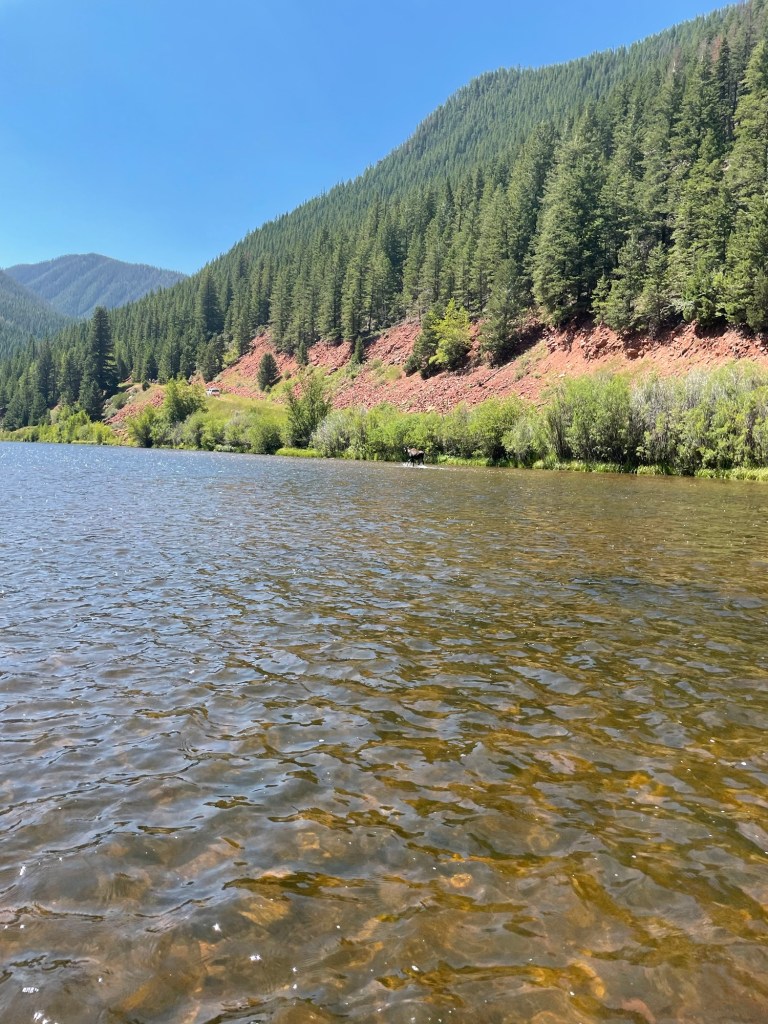
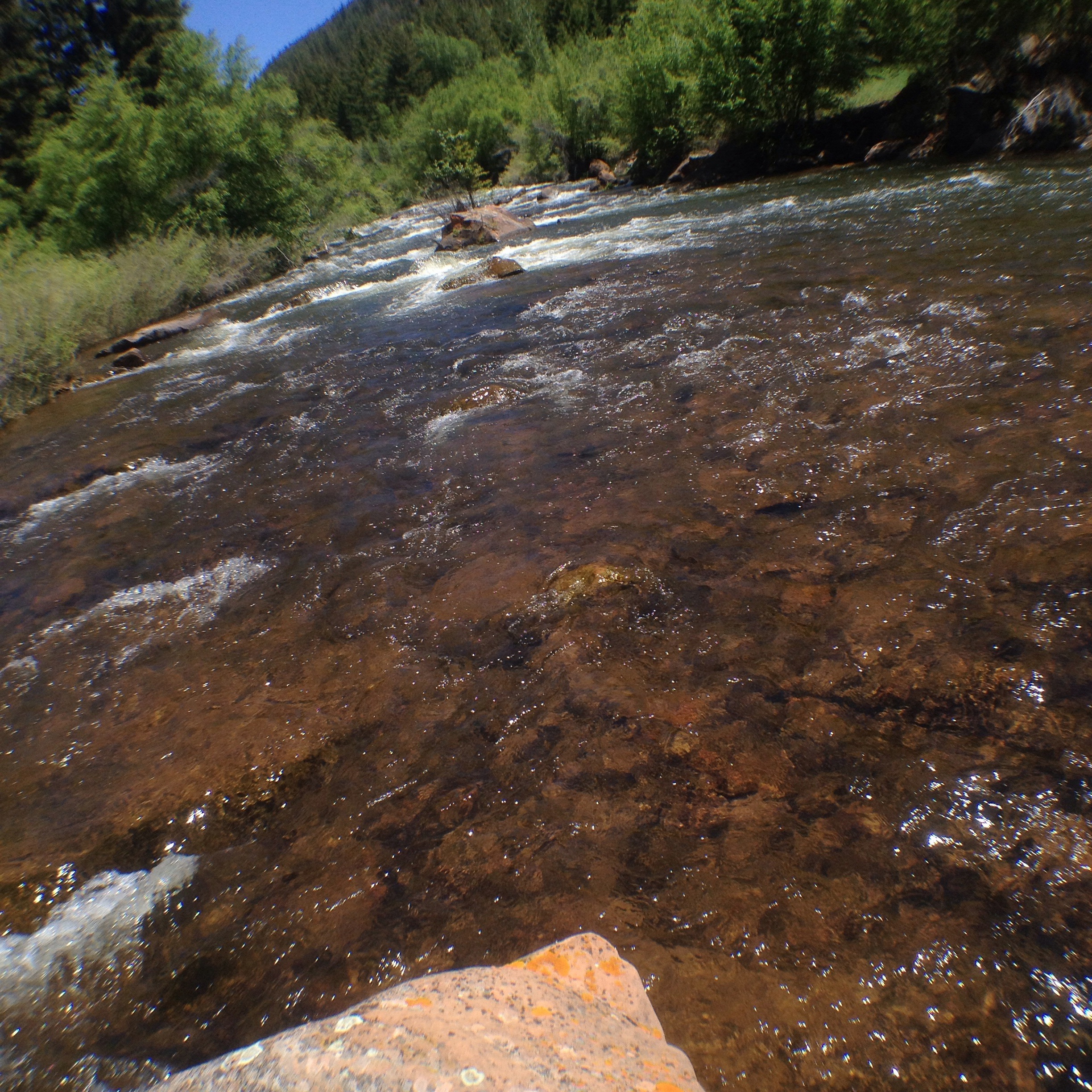
In the quiet moments on a brisk Colorado morning, ready to place my wading boot in the Frying Pan River, I often reflect on the profound legacy of fly fishing. This isn’t just a sport; it’s a timeless pursuit that connects us to nature, history, and a community of like-minded souls seeking solace and sustainability.

Ancient Origins: Threads from the Past

Fly fishing’s roots trace back to ancient civilizations. Roman author Claudius Aelianus, in the 2nd century, described Macedonian anglers using artificial flies to catch fish on the Astraeus River.  Meanwhile, in 12th-century Japan, the method of Tenkara emerged, where fishermen used long rods and simple flies to harvest trout and char in mountain streams.

These early techniques laid the groundwork for modern fly fishing, emphasizing skill, observation, and a deep connection to the aquatic environment.

Evolution of Technique and Technology

Over the centuries, fly fishing evolved significantly. The publication of “The Compleat Angler” by Izaak Walton in 1653 marked a pivotal moment, offering insights into the art and philosophy of angling. Advancements continued with the development of specialized rods, reels, and lines, enhancing the angler’s ability to present flies with precision.

Despite technological progress, the essence of fly fishing remains unchanged: a harmonious dance between angler and fish, guided by patience and respect.

Catch and Release: A Conservation Ethic

The practice of catch and release, now integral to fly fishing, has its origins in 19th-century Britain, aimed at preserving fish populations.  In North America, conservationist Lee Wulff championed this ethic, famously stating, “A gamefish is too valuable to be caught only once.”

Today, catch and release is more than a technique; it’s a commitment to sustaining healthy fisheries for future generations.

Seeking Solitude and Connection

Beyond the mechanics, fly fishing offers a sanctuary from the noise of modern life. Standing in a river, surrounded by nature’s chorus, one finds a meditative rhythm in casting and retrieving. It’s in these moments that anglers connect deeply with the environment, finding peace and clarity.

A Legacy of Stewardship

Fly fishing’s history is rich with individuals dedicated to conservation. In 1939, Roderick Haig-Brown penned the first code of fly-fishing ethics, emphasizing the angler’s role in protecting aquatic ecosystems.  Organizations like Fly Fishers International continue this legacy, promoting sustainable practices and environmental education.

Conclusion: Embracing the Timeless Journey

Fly fishing is more than a pastime; it’s a journey through history, nature, and personal growth. As we cast our lines, we join a lineage of anglers who value not just the catch, but the experience, the environment, and the enduring lessons the river imparts.

Until next time, may your casts be true and your reflections deep.

If you’re interested in exploring specific fly fishing techniques, gear recommendations, or conservation initiatives, feel free to ask!

Guide Glenn Smith

Finding Purpose: The Struggles of a New Winged Being

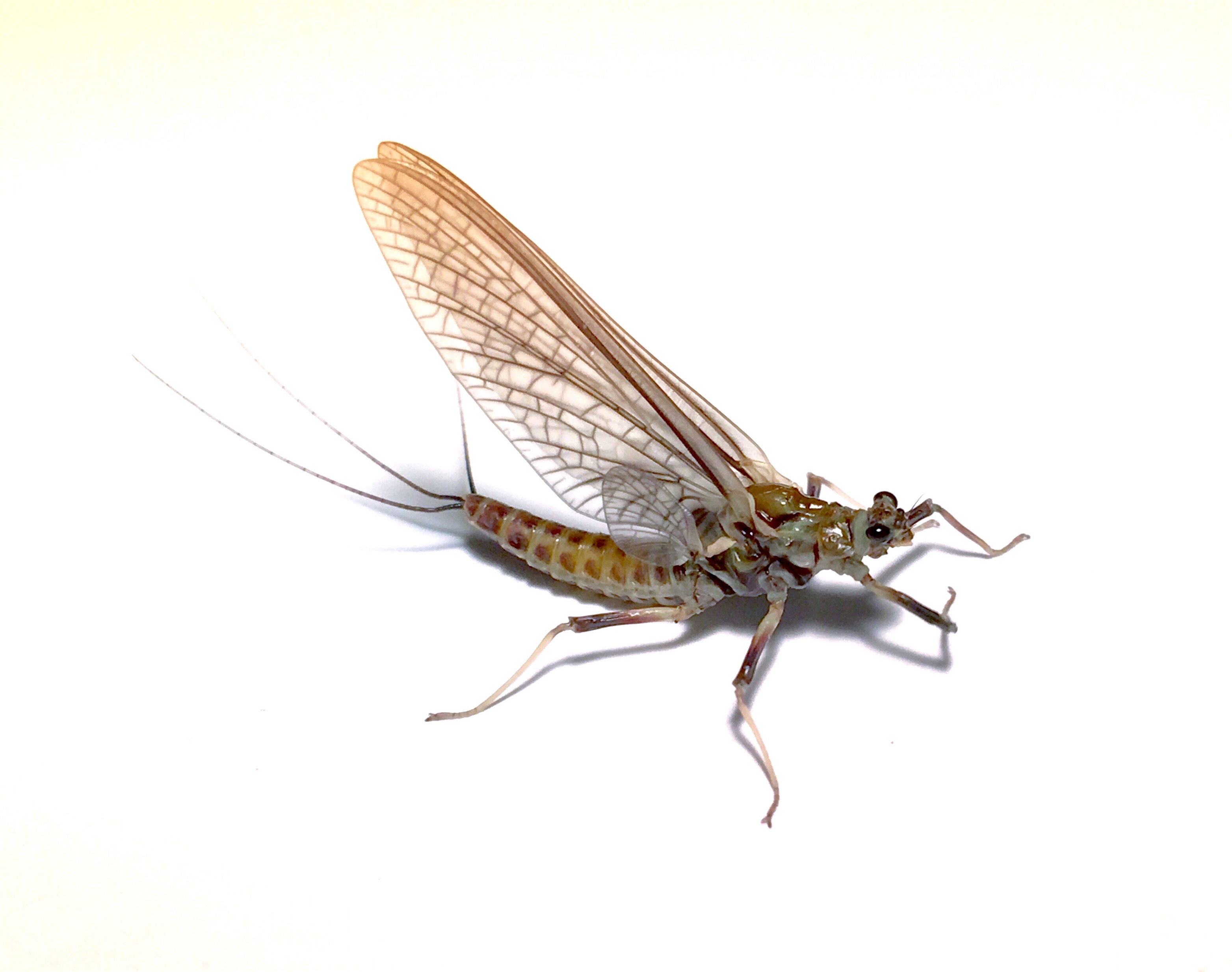
I’d always known the water—cool, flowing, sheltering. In its currents, I had spent my days as a nymph, tucked beneath the stones and natural debris. The river was my home, my safety, where I could feed, mature without to much worry. But there was something deeper inside me, something I couldn’t quite name. It had been growing for days, an itch under my skin so to say, a pull toward the surface.

Today, the pull was unbearable. I couldn’t stop it. I tumbled off the stone the had been my home and I broke through the surface, feeling the weight of the water release me, and suddenly I was… light. I shed my casing with much effort My body had grown delicate. Wings—yes, wings—unfurled from my back, wet and fragile like the new dawn. What was this new world above? It shimmered and glowed.

Hope. It filled me. The sky, limitless and vast, whispered promises of something more. I lifted off the water and climbed into the air, wobbly at first but gaining strength, feeling the wind beneath me. I was made for this! The river below me became a distant memory.

But then… danger. A shadow flashed across the surface—silent, swift. A bird, its beak sharp and hungry, dove at me from nowhere. My new wings, so graceful moments ago, faltered. I spiraled in the air, narrowly avoiding its deadly grasp. I felt panic rise in me—what was I? Why was I here? Is this all there is?

More shadows moved below. The water rippled ominously as trout eyes watched from beneath, waiting for me to tire, to fall.

Despair gnawed at my insides. Was I only meant to be eaten? Was my transformation nothing but a fleeting moment of beauty, a brief life in the jaws of some greater predator?

But then, something stirred deep inside me. A memory, maybe, or instinct, telling me this was not the end. Not yet. I wasn’t meant to die here. I had more to do. I felt a new surge of energy, my wings catching a favorable wind, pulling me up, away from the hungry trout and snapping beaks.

I darted between the trees, weaving through leaves, narrowly avoiding another grasp. I could feel it now, a purpose—an unspoken command imprinted on me before I was even born. I had to survive, to mate, to give life to the next generation.

With a sudden burst of speed, I shot higher, soaring into the open sky where nothing could catch me. And in that moment, I knew. The world was harsh and filled with danger, but I had my part in it. I wasn’t just prey. I was part of something bigger, a cycle that stretched endlessly into the future.

I wasn’t afraid anymore.

I found a quiet space, hidden away from prying eyes, and began the final task that I had been brought here to do—laying the seeds of new life.

Tight Lines

Change The Way You Think, It’s all about Mindset

ECA81D0F-BC60-45AF-AD07-ADD234196B8F_1_201_aLet’s start here: You’re a fly fisherman, a seasoned angler, you know what the term 5x is referring to, you know the difference between a comparadun and a parachute BWO, you have racked up a ton of days on the river, Life is pretty good for you, but do you have the proper mindset?

Do you miss more strikes then you think you should? Do you get frustrated when you have a great drift and you think it’s more often than not a rock or a stick? Only to find out it was a strike that you just lost out on?

Welcome to the world of an improper mindset – a world most fishermen believe they are above or shouldn’t be concerned about.

Let’s paint another picture.

Imagine this; You find yourself the most remarkable spot on the river, alone on great water loaded with gorgeous  “bubble seams” flowing under a shaded tree section, just the right amount of cloud cover. You tie on a fly that matches the hatch perfectly, all is right in the world. You skillfully judge your distance, line, and rod in hand, you make the perfect cast to that one sipping trout you spotted from the bank, then BAM, he takes your bug, you set the hook, hastily and snap the fly off…then your line is tangled in the trees, you yell  “Mother FK’r” then your temper rises because you have to wade through the water you were planning on fishing…you feel your day is now ruined.

Question is, is this fishermen’s head in the right place? Some may say yes, there is nothing wrong with trying to achieve perfection while doing any sport, being disappointed that your masterful effort wasn’t rewarded, frustrated that errors were made and so on, that’s fine, but, what a shortsighted way to do something you claim to love…I see things a bit differently.

I do understand that missing an opportunity can be aggravating but in my mindset, at least you were given the chance.  Something to remember is fishing is about compromise, it’s about giving and taking, some times you “win” and sometimes the fish “wins’. But you can’t forget that at that very moment, that very second the trout did its part, you fooled the fish in believing that your offering was better than the real thing. So what if you lost it, what it should teach you is to take a moment to reflect on what you could have done differently to have the result you were expecting. The proper mindset is realizing there will always be another opportunity, another chance in the future. That snapped off fly and spaghetti in the trees is only a moment, the only thing that got hurt was your ego.

The fact is this, you could easily be sitting in your office, behind a counter, mowing your lawn, painting the fence, sitting in the blistering heat, hating life, instead of collecting yourself, looking around at the beautiful surroundings of the river, digging out your fly box, tying on a new length of tippit and focusing on that next “opportunity” just around the bend.

The next change in mindset (and this is directed to the millennials reading this blog) is don’t get fixated on taking photos of every fish you catch. I do understand the importance of social media and how it has become a deep-rooted part of the youth culture but leave something for you. Despite popular beliefs, you will not become the next fly fishing influencer nor will you make a living by having a certain company beer can placed oh so perfect next to your catch or having a reel manufacturers hat on, tilted so it looks good in the image, truthfully it’s transparent and kind of ridiculous.  The proper mindset is you’re out doing a beautiful, poetic sport in places most people won’t have an opportunity to enjoy. Instead of being vainglorious, you should really be humbled. Secondly, and most importantly, it is really bad for the fish and our fishing resource to abuse the fish that way, the more we handle them, the more we keep them out of the water only shortens their life span if it doesn’t kill them that day. I take this very seriously, your wishing for more likes and shares is nowhere as important to respect the life, habitat and well being of the animals which are the reason we fly fish in the first place.

img_0781.jpgOne other point of mindset is to remember why you started to fly fish in the first place. I can tell you mine;

It takes me to beautiful places, quiet solitude, wilderness, water, a place to escape the ‘real’ world.

I enjoy the riddle that every day brings on the river when I’m hunting for fish. What’s the hatch? Is it bright today? Are they on dries or nymphs? What’s the flow? and so on.

Lastly, I never forget that the Trout, Bonefish, Tarpon, Whitefish did me a favor by eating my fly, so my mindset is that I am just grateful for a day on the river.

Tight Lines

Guide Glenn Smith


Please, Try to “Act” Like An Angler

IMG_2003via Please, Try to “Act” Like An Angler

Tenkara: One Guide’s Take

I have never been accused of not having an opinion, so as my first video, I am addressing tenkara. I hope you enjoy it.

Famous Fishing Quotes-My Way

Fishing-is..

So many have said so much about fly fishing- so much for this “quiet sport”. -Glenn Smith

Why Counting Fish Is A Bad Thing

IMG_8834

“The first rule of flight club is you don’t talk about fight club”. This is one of the many famous quotes from the Brad Pitt movie, Fight Club.  There is a wisdom in this quote. Some things are best kept to one’s self and those that know the secret. I believe this deep into my fabric of my soul.

I spend a lot of time writing about the “experience” for fly fishing, what it means in the big picture? and how it can change you when you are living in “the moment”, as you follow the perfect drift to a splashy strike of a big brown. What I don’t like to do is gloat about it.

Recently we had our annual guide meeting at Taylor Creek, the fly shop I guide for. When I say guide meeting, I really mean,  a bunch of pretty unkept guys and gals with mad fishing skills, drinking cheap beer, giving each other a full rationing of shit and listening to what is expected from us as guides and ambassadors of the shop. I have been to countless gatherings like this. This is also the time when the veteran guides, more or less, stake claim to our seniority and rank in the shop. Yes, it is a pissing match between people who fish for a living. I smile and get a kick out of every one of the “meetings”.  It is just plain fun.

But a topic was brought up by the guides this year that I wasn’t expecting to discuss. It was the matter of not publicly “advertising” the amount of fish you and your clients caught on any given day. To not walk into the shop and blurt out “We got 10 to the net” or “Man, we killed it today!” This, I thought, was progress and something I take very seriously. Let me explain why…

As guides, it is our job to help you catch fish. I have always joked with my clients by saying “You can’t catch fish on your own, you don’t need me standing next to you, talking and not catching fish…” There is more to that quote but I will share this some other time. The point is simple: We will catch fish. But what exactly does that mean? Will we catch a 100 fish? Will we catch 3 fish? I believe that numbers are all relative to your clients expectations or the “total experience”.

We, as guides, should do exactly that, guide. Sure it is important to catch fish, that is what we do but it is not our job to assume that the only thing our client wants is to catch countless fish.

Case in point: I have had days on the river when the fishing was off the hook, and I have had days that it was difficult to even buy a strike. We have those swings out there, so if I am on my own, I continue to walk, wade and cast as the day passes by. If it’s slow, I find another spot. If the fishing is on fire, I stay. It’s that basic. But when out there with a paying client, guides think that their purpose has changed. They feel compelled to prove that they are fly fishing gods of the universe and all swimming creature are at their complete beck and call. We all know that this is not true and the that the only thing that has changed from your normal day out fishing is that a few extra people are tagging along. The difference is you are being paid for your knowledge, not by your fish count. With that said, why the pressure on numbers? Are you out there to stroke your own ego by vicariously upping  the number of fish your client is catching? Does it challenge your manhood? Are you less of a guide than you thought? Do you think that you will impress the shop and other guides by how many fish you brought to the net? Not at all, not even close. Your client only knows the experience you are giving them and their own past history fishing; and the shop only cares if your client was satisfied by their day out on the river with you.

The definition of satisfaction is:

sat·is·fac·tion noun \ˌsa-təs-ˈfak-shən\
: a happy or pleased feeling because of something that you did or something that happened to you

: the act of providing what is needed or desired : the act of satisfying a need or desire

: a result that deals with a problem or complaint in an acceptable way”

If your client wants to learn how to become better at casting, and you teach that, they will be satisfied.

If learning about the habitat, history of the area, insects, how it relates to our sport and the environment, they got what they wanted, they are satisfied.

If you get a client that only wants to catch big fish and a ton of them, do that. But be prepared to address this expectaions if the fishing happens to be slower than usual. What else will satisfy this client?

So to wrap this up, when you walk into the shop or at the bar next door, your fish count does not matter. Anyone who has been fly fishing for most of their lives and guide for a living, truth is, we don’t care. Every fly fishermen should remember one thing, an average or below average day to one person could be an amazing day to another, quote me on that. Let your clients do the bragging because they paid for the right to do so Our reward, as professional fly fishing guides, is knowing a job well done, securing a future repeat client and hopefully a decent tip to put towards our cheap beer that we love so much.

Keep that tip up,

Glenn


The Zen of Paying It Forward

In fishing, I believe that you don’t teach, you transfer your skills and love of the art of fly fishing.

I can teach technique and methods, I can drill over and over casting methods and discipline. What I can’t teach is the awareness of being on the river and watching the Barn Swallows swoop down to dine on the fresh hatch of Green Drakes popping out of the current. I can’t force someone to learn to be patient enough to wait to cast at a rising fish and just observe the way the fish is sipping.

What I can do is transfer my passion for the minutest details, the magnitude of nature, the gift of where fly fishing takes us, not only geographically but mentally and spiritually. I’m not saying that being on the river will change your life and you will find religion, what I am saying is it can’t hurt.

It is important when you introduce someone to the sport of fly fishing, be sure to mention that catching is only a part of the equation not the total sum of the problem.

20140611-221735-80255757.jpg

Photo credit Taylor Creek Fly Shop

Quiet Chaos, Part 1

“Man, it’s really sticky!” That was the first thing out of my mouth when I landed in Belize as I stepped off the plane (and I use the term “plane” lightly). Belize is one of those places where you take a commercial jet to the mainland then “climb into” a small, commuter plane either ran by the government or by a disgruntled expatriate collecting a pension in order to get to your final destination. I traveled to Ambergris Caye with a short list of things to accomplish: One, to sight fish Bonefish in the turtle grass; two, to make close friends with a hammock; three, to get a guided flats boat and hunt Tarpon and Permit; four,  to try as many local beers available, and number five, to repeat the first four tasks everyday for a week.

rAmbergris Caye

This story came back to mind recently because I was reflecting on why “we”, as fly fishermen, go to great lengths to seek out the most exotic places, only to catch fish that we don’t keep, eat or mount on our walls. It is kind of odd, really.  So I started to think of my first of many Fly Fishing trips I have taken, and a trip to Belize, 20 years ago, helped me solidify the reason for this passion/obsession. Sure, the reasons are numerous: the beach, the perfect weather, the bikinis, the topaz blue waters, the tropical fruit and the delicious drinks that can be made from them… Come on, there is no down side to an exotic place. But I was not there for a tan, I was there to hunt big, powerful fish with a fly rod.

So, back to the story of Belize:

In less than 20 minutes from the airport, sitting in a topless 1976 jeep with original tires, I arrived at the hotel. It was surrounded by a 10-foot stone wall that separated “their country” from “our perfect country”, at least on the inside. On the inside of the wall, ice and buffets; on the outside, Watermelon flavored Fanta and families without shoes. After I checked in with the front desk staff, sporting my tropical shirts, broken english and big smiles, they assigned me a room, complete with palm trees, flowers and a hammock within staggering distance from the bar. My list was getting checked off much quicker than I had imagined, perfect.

Once I got settled in (aka beer in hand), I started to make inquires with the concierge/jeep driver about where I can wade for Bonefish and who was the best LOCAL Tarpon guide to hire for a day. The information came quick. The answer to the first question was, “over there”, as he pointed out of the lobby towards the flats right off the hotel’s beach, which was convenient; and the second answer was just a walkie-talkie chat away.

He buzzes whomever was on the receiving end of his CB,  a distorted voice responded, “ahhhchhhhhaeee  haappppchheeeeee ah ttooo, and OUT” I have no idea what he said, it could have been the local language, slang or a bad connection. My guy, I call him that because somewhere within our 20 minutes together driving, I came to trust him, whatever his name was, and how can you not trust a 270-pound guy who appears to be related to everyone on the caye? He told me that the static voice guy said, “be ready tomorrow and on the dock at 6:30 am“. OK then, I thought to myself; no guide name, no boat name, no nothing. I wasn’t sure if I was going fly fishing or being set up to lose my money, rod and anything else I may have had of value. But it was only 12:15 pm, and I was eager to get my line wet. This is my first time fly fishing the salt. I am a trout guide; a born and raised Colorado native. This was all new, this salt water thing, I was excited. For this occasion, I tapped into to my “pro-deal gear” and geared up with a brand new Sage 9 weight rod, an Able reel, new line, a mortgage-amount of saltwater flies and 2 months worth of casting experience at a local park. All I needed to believe is that I got this saltwater thing under control.

I put on my flats booties, my fishing shorts, a small waist pack, grabbed a cold beer from the beach bar and headed to the flats. (By the way, this beats putting on waders, boots, gravel guards, vest and driving to a river for two hours.) I recalled my research and discussions with my friends that have guided saltwater about what to look for when spotting Bonefish. Impatiently, I casted at anything and everything that moved or caused a shadow, just to cast and to see if, in fact,  I could really cast the distance necessary to fish for any saltwater species.

I’m fighting the wind, I’m getting tangled in my line, the rocks are sharp…I am just floundering out there.  I didn’t event think that there would be coral and rocks out there, I was hoping for white soft sand. Then something happened, at about 40 feet and the wind at my back, I see a tailing Bonefish, just like they said. Its tail just out of the water, a bit of cloudy water around him from nuzzling in the sand and grass. This was it! My first Bonefish and my chance to acquire that “in-the-know” nod.

So I pulled myself together, calmed myself down and tried to remember everything I read, videos I watched and advice I was told over and over by experienced guides. Rule number one, “don’t line or spook the fish”. I am getting ready to cast my line, away from the tailing fish, trying to gage my distance, which was just past the fish, just a leaders length. I feel good about it so I load up my rod and shoot the fly line and fly to the exact spot I was aiming for. I land it and, more importantly, the tail is STILL there. I didn’t spook him. I put the tip down and start to strip, fast then slow, I didn’t really know. I stripped it past him and nothing, I mean nothing, not a turn, not a move, nothing. But what that meant was I still have a shot at this fish. Back to casting, one big pull back, sent line out forward, sent more line out in the backcast then shot the fly right over the fish. I started stripping and then something happened that I didn’t expect, he ate my fly.

Everyone tells you how to spot, cast and fight a Bonefish, but no one really tells you what to expect when a fish like this takes your fly. Imagine this, you cast at a Mini Cooper and you hook the bumper, then, exactly at that moment, the Mini steps on the gas going directly away from you. That’s the feeling, more or less. The fact is, I was not prepared. Once I set the hook, he took off. I had my drag of my reel set way too strong, which resulted in me diving in after my rod after it had been ripped out of my hands by that little freight train of pissed off. Luckily, I got a hand on my rod before it escaped completely and quickly loosened my drag and away we went. The fight begins.

As he swam away, I had the rod bent so much that I was waiting to hear that “gunfire” snap that you only hear when a rod breaks under pressure. Thank god that didn’t happen, but I was waiting. Reeling the best I can, letting it run when it wanted, reeling again, I was making progress. All I could compare it to is a foul-hooked Whitefish; strong, unmanageable, and angry.  As I slowly got my first ‘Bone near me, I realize that I don’t have a net… rookie mistake, so I slowly work my way to the beach and bring that #6 bundle of muscle to the shore, reach down, release the hook from its mouth and watched him swim away never looking back at me. I was pleased.

I didn’t take any pictures, have no prize to show for my heroic efforts, just the cold beer I drank while watching the turtle grass, closely,  for some kind of movement.

Be sure to hit me up this Saturday. I will tell you about the Tarpon experience I had the next day.