Mastering the Drift: The Key to Successful Trout Fly Fishing

It is a morning like every morning during the end of summer, the beginning of fall. The air is brisk and the temperature is cool, almost cold, but a fine welcome. I meet my clients for the day, eager to get out there and catch a fish… but it is never that easy for the leisure, once a year angler to do. I say right from the get go, “Fly fishing for trout is not an easier way to catch a trout. It’s the most difficult way to catch a trout”.

Why do I say that? It is because those of you out there with years under your belt, know I am right. What we do is a process, not a shortcut. We have to look at everything. We first look at the weather, the outside temperature. Then we look if there is any cloud cover or not. Next we watch for birds, do we see them or not? If they are flying high or low, or on the water. Next, we look closely for the insect life on, in or above the water. We ask ourselves, what kind of hatch is it? Or if there is any hatch at all? All this takes place well before we even cast a line.

With all that said, what is the most important thing above and beyond the aforementioned you must master? Is it the choice of flies? Is it how well you can cast a dry? Roll cast a nymph? Is it recognizing a strike? Is it the drift? Is it how gentle or how hard you set the hook?

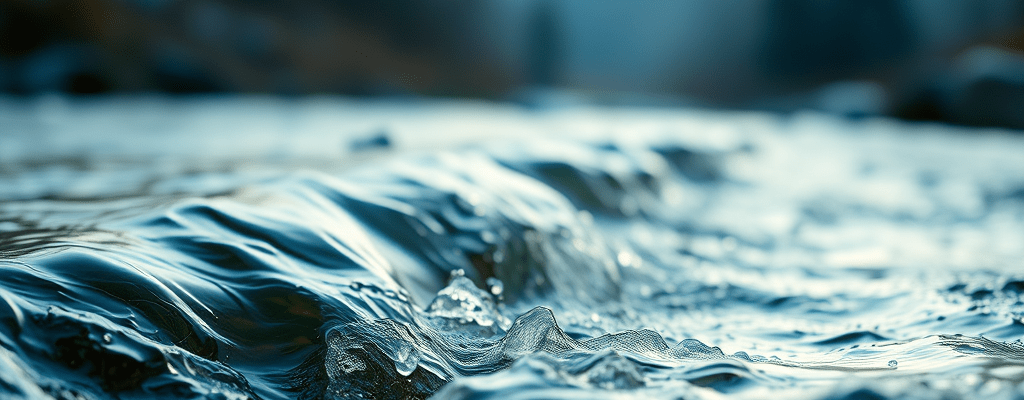
These are all valid questions. Every guide has their own opinions about which one is most important. But to me, there is only really one answer, it is always the drift.

Having a proper drift separates the pros from the rookies. I can attest to this. Even the wrong fly drifted properly will interest more fish. Better than the right fly, drifted terribly. This has proved to be true more often than not.

Is the cast and presentation important? Yes and no. A great cast is wasted if the drift is terrible. What is the point of throwing 50 feet of line across the current? It won’t work if you can’t get the fly to drift naturally.

When it comes to recognizing a strike, the drift still matters. A fast moving drift with tons of line in the water is near impossible to set the hook. If you’re “nymphing”, the strike indicator will never give you an honest read, a missed opportunity. If you’re throwing dries, a bad drift never will give your fly a natural, buggy look. You’ll miss another opportunity.

With all this said, how should you move ahead and always achieve a perfect drift? It is simple. Line management. keep these things in mind;

-High stick whenever you can. Alleviate a problem before it becomes a problem.

-Keep the line you’re casting within your comfort zone.

-Fish to the fish in-front of you. Your target isn’t always on the other side of the river.

-Drop the ego casting and get that fly in the water.

-Stop over mending. Do one or two quality big mends and stop messing around.

-Last of all, none of this applies if you’re ripping streamers.

Do me a solid. Please remember that the insects in the river move at the pace of the water they are in or on. Always copy nature.

Tight Lines

Glenn on the Fly
The inherent personal IRRESPONSIBLY the river can cause

I know it has been a long while since I have posted a blog here on Glenn on the fly; I am terribly remiss and want to fully apologize to all of you about the obvious lack of fresh content. I take that back, I’m not really that mad about it. Fact is, I have been guiding every single day. It’s been awesome… the fish are eating, the fights have been memorable and I am in high demand (thankfully). I start bright and early and end my day late. I had every intention of sitting down with my MacBook, writing up something inspiring, insightful and hopefully moving…then I get sleepy, sometimes quench my thirst with a tall, very cold one, stream something stupid on Netflix, fall dead asleep by 9pm with my iPhone alarm set at 6:35 am, as it is everyday of the season, to get up and guide all over again.

I love what I do, and not necessarily for the reasons you might think. It is absolutely fantastic to do what I do, especially for a living (and living this life). I constantly meet new people whom all have different fishing skill levels, be it fly fishing or whatever you all call that other kind of fishing… “the kind of fishing created by beer companies and the extruded plastics and barbed hook industry”, respectfully. But the truth be told, I LOVE what I do and what it adds to my life on a daily basis.

For the ease of reading and my predilection for lists, I will regale you with my reasons I feel lucky to do what I do;

  1. First and foremost, it is a beautiful activity to do. What we do takes place in breathtaking places, the motions are beyond poetic and the magnificent creatures we are trying to fool are simply gorgeous.
  2. The “Process” it takes to convince a fish to take feathers and thread as real is real, especially to trick the clever ones. It is not easy to master this sport, those who think it is easy are fantastically misled. A fellow guide summed that mindset up perfectly, “Everyone is a great guide or fisherman when the fish are eating, It takes much more skill to catch them when they’re not”.
  3. There is never ever a bad day on the water…mostly ups and very few downs. If your soul purpose is to “hammer” a ton of fish, you are completely missing the point of why you’re out there in the first place. (I suggest you look back to #1 of this list to refresh your memory)
  4. From a guide’s point of view, my point of view, the clients play an interesting part on this list. Some clients are of course, fantastic, some are far from that, truthfully. Those outliers should stick with pickleball, golf or reading and never touch a fly rod ever again. Simply, it would be inhumane to me and/or the fish we’re trying to catch if they intend to continue. People are very interesting and being out on the water, uncomfortably away from their cell phones, traffic, self importance and their world of comfort, their true colors come shining out. Be it fantastic colors ranging from of an amazing human of depth or the many shades of muddled black or grey of a dark soul. But one way or another their true character comes out for better or worse. I see it through him clear eyes, they become transparent like onion skin and it is just plain awesome.
  5. Joy. Joy on all fronts. Joy of seeing someone “click” and start getting it, doing everything correct, getting results. To me taking joy when they handle the rod with care, land the fish with care and taking joy in the simple fact they hooked a trout.
  6. Last of all on my list, that all involved become so focused on a small PMD dry, pulling a streamer or looking at strike indicator that we all forget about everything else that may be on our minds from the outside world.

This brings me to defend the title of this blog, Inherent Irresponsibility. Fly fishing allows this, welcomes this, almost endorses it in the most positive way. In a way to let the world go, stay completely present, become part of nature knowing you can’t change the flow of the river, nor when you get a strike and realizing that the fish doesn’t give a s**t on who or what you are.

I love this sport not just for what I stated above but for so many countless, intangible reasons. I will be much more diligent in posting on this blog for now on…possibly

Guide Glenn Smith

10 Things I Like To Remember as a Guide

I love my job. I’m a professional fly fishing guide in the beautiful Roaring Fork Valley…Angling on the Fork, The Frying Pan River, The Crystal River and even down on the “Big Muddy” aka The Colorado river. as my mentor, John High use to say. We have so much access within an hours drive, no matter what direction you point.

We are lucky.

During the high season, many of us guides are on the water from 7 am until dark, 6-7 days a week, by choice. As the saying goes, “Make hay, while the sun shines” or something like that. In short, we need to work all we can, it will ineveably slowdown and guide work will dry up. But the inevetable will happen as summer passes by and the days get hot, we all start to get crispy, grumpy, short, sarcastic or more fishing appropiate, salty.

Just the other day I was out with some great people, some neverevers, but still nice people. Our day was strong, really strong, however that caused me undue stress and my temperment to be tested. Trust me, I was pleased with our success, but what triggered me was that the clients thought that this was the norm. They began to make it a compitition with total disregard for the fish and the art in which it took to catch them.

Nothing will set me off more than that. So I bit my tongue and tried to educate the newbies that we’re out here for more than numbers and a InstaGram photo.

This bring me to why I wanted to write a post on the 10 things I believe that all of us guides need to remember. So here we go:

  1. Always be educating all aspect of our sport from technique to etiquette, habitat to knots.
  2. Remember it’s a day of fishing for you, but it’s the clients “big trip” they may only do once a year. They are paying real money for your full attention.
  3. We are to be the example of what our sport coveys: Tradition, Awareness, Problem-Solving, Beauty, Stewardship
  4. Treat the fish with care and respect. They’re not disposable entertainment, they are our business partners
  5. Try to limit photos. There is no reason to take pics of every fish. Truthfully, if you do that it’s kinda sad really.
  6. I love this one. Think of how many “family memories”, stories, photos you’re part of. Daunting if you think about it. We are many peoples “life highlights”
  7. We are ambassadors out there-act like it. Don’t be a dick.
  8. Let things go, literally and figuratively, Release the fish quickly, let go of conflicts, don’t get agro if someone snakes your water, don’t get angry with lost fish, bad clients always go away.
  9. Try to get away from “numbers” as an endgame. Fact is, if you condition your clients to count fish that make it to the net and disregard the ones that “long distant released”, their next trip may not be as successful due to a number of varibles, so it will never produce enough as last time. Remember why your out there. Catching fish is awesome but a memorable experience and leaving happy far surpasses the count.
  10. Be a class act, we have a great job, the best job, that many people wish they could have..

Remember that.

A 9’6” Fly Rod Is The Perfect Social Distance

This Covid 19 (which is a great name for a highend reel) has and will change our lives for a while unfortunantly. We have involuntarily become a nation of mask wearing germaphobes; scared of anyone we don’t know personally. We avoiding touching anything that may have been fondled by “that guy” and we tuck and roll away from anyone that clears their throat. The funny part is, I am totally good with it. I’ve never been a fan of close talkers, who are overly enthusiastic conversationalist that spit their words. I am also pleased that I have a free-pass on not having to fist bump people I don’t want to or even worse, bro hug. This is newest, freshest kind of expected antisocial behavior I’ve been longing for, it’s fantastic!  A harsh POV, I know, but pretty apt.

So, you may be asking yourselves, what does this have to do with anything remotely resembling the topic of fly fishing? 

Let me answer that with one simple fly fishermen’s reality and a value we all, by design, share, we “social distance” as sport. We actually like being by ourselves. Think of your last road trip to the river? Admit it, even if you and your 3 best buds arrived to the river in one car, you bolted to your own spot “just down there around the bend, find me if you need me” kind of spot (and liked it).

Historically, fly fishing is the best activity, the best way, the most quietly independent, soulful thing to do to let the world wash by us. It allows you to forget that the world is burning, it allows you to deeply care only about the 50′ stretch of flat water with sippers right in front of you. My reality of social distancing is that if I can cast a decent line and hit the eddy you are creating, you are entirely too close. 

This pandemic has taken us all by surprise, but I’m not all that shocked. As a whole, we as a society have taken pretty much everything for granted, we maintain the mindset, ”Naw, that won’t happen here or to me, I’m not at all worried,” Well are you worried now? 

This “new normal” is a much needed learning experience, a reality check of sort. 

I would love to give you some real life examples that may not have directly touched you, but in fact, created massive losses of a different sort of life.

Remember whirling disease? Myxospolus Celebralis? The parasite that killed all the juvenile rainbow trout? It was devastating. It was spread to different rivers carried in damp felt soled waders or unchecked hatchery stocking procedures and/or other human driven methods. It wiped out countless fish. The solution was equally tragic, hatcheries had to dispose (kill) of all the fingerlings to curtail the spread of the disease. (Sounds all to familiar except for the culling of the population)

Just for fun, 

I was also reminded of another variation and threat that affects our waters that was in today’s newspaper. Wait for it…..The introduction of invasive fresh water muscles! When introduced it becomes a destructive, almost impossible plight in fresh water lakes. Remember, none of this is not done by malicious intentions, it all happened because of just not knowing better or not taking precautions until it’s too late. But we have the power to make good choices.

On a side note, I am a little disappointed that I haven’t had to deal with any “Killer Hornets” I wanted to be part of that!

In short, all of this should not be a deterrent to getting out and enjoying the fabulous out of doors and chasing trout. We simply have to be a bit more aware and diligent.

I know there are doubters out there and some who believe it’s a hoax, Just say’n, it’s not. All that needs to happen is just a few things that I think might make this all more bearable and hopefully curtail some risks;

  1. If you are chatting somewhere or you want to talk on the river or the shop, stay a good 9’6 fly rod distance away. Don’t be shy and put this method to the test, poke at them at will.
  1. As far as masks are concerned…Wear your BUFF, They are always badass, they look cool and you wear it anyway. Remember, keep it pulled up in full-on guide fashion and keep it there, Especially if you are closer than a rod length of somebody. 
  1. Wash your hand in the river if you have any intention of touching people. The added benefit is that when cars pass by, the occupants will think your just released a fish, it’s a win-win!
  1. Be nice out there. We are all involved in this, some others may or may not be freaking out. That’s ok, but if it bugs you, move 2 or 3 rod lengths away and act like the river flow is too loud to hear them. This method has work for me for years.
  1. Keep sanitizer in the car. Really, it’s no big deal, also I believe that straight-up vodka works, but don’t hold me to it. 

Lastly, before I step off of my soapbox aka my YETI cooler, I have forgotten to mention something important, I am not an expert in Emerging Infectious Diseases nor am I Doctor, but I do believe in precautions, preparation and being aware if risks, no matter how big or small they might be. 

As a reminder, it is in everyones best interest that if you don’t buy into all this covid stuff and claim that you know better because you got the information off of social media or from that guy at the gun-shop or a talking-head newscasters/radio personality, stay quiet. Unless your sources have a ton of letters after their name, what you are spouting it just unproven hearsay.

Let all do our best to be good people and better sportsmen and sportswomen and most importantly, Don’t hate!

Tight Lines

Guide Glenn Smith

Be Safe Out There! 20 things to Expect and Un-expect while Fly Fishing.

MbJUSTf7RXCFN3KI7onWBwJust reading the title of this article, I know what you’re thinking, nothing will happen to me, It’s Fly fishing! That may be true for most of us to a point, but trust me when i say, some of the wildest things happen in the most unusual situations.
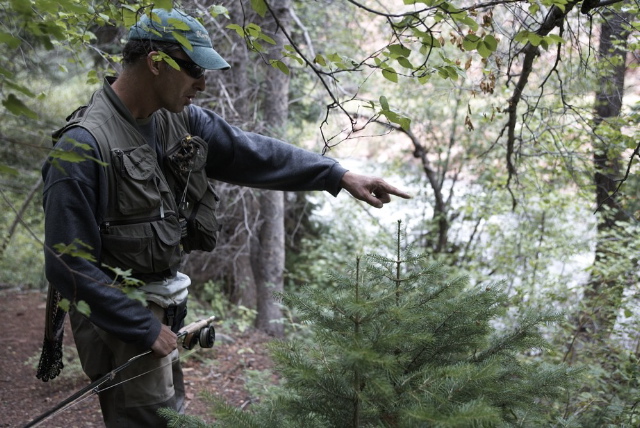
As a Fly Fishing Guide for over 2 decades, I have seen my share of the unexpected.

I thought it would be helpful to share with y’all what you can, or should do if something were to happen to you on your adventure or at least give you some food for thought before you head out into the wild unknown.

Also, as a disclaimer, I am not a medical professional, nor am I an expert in outdoor survival and I claim not to be… But what I can do is give you my “in the field and on the water” experiences that I have learned from and share that with you, So he we go!

  1. Before you even decide to drive to the river or your favorite run, make sure you have gas in the car, water to drink and let someone know where you’re going. You don’t need to be exact, but at least which river. This is not only for your safety but in case you need to be found for some other reasons.
  2. Be prepared for anything. In Colorado, my home sweet home, you never can underestimate the weather, it can change on a dime, from beautiful bluebird skies in the morning to thunder and lightning or even snow in the afternoon. Take warm clothes and good rain-gear. these things takes up little room and pays for itself the first downpour when the fish start rising.
  3. Make sure you do some research on the water you’re heading to: Such as, Is it a tailwater of freestone river? What’s the water temp? Is the bottom slick or mossy, rocky or silty? What’s the flow? Should I take a staff or have cleats? Do I need waders or can I wet wade? Is it buggy? (not our kind of bugs but the annoying kind)
  4. Bring a snack always! Trust me, you’re not going home sooner that you think especially if the hatch goin off.
  5. Have all your paperwork in order. License is up to date, both of them, fishing and drivers.
  6. Check that you have ALL your gear; waders, boots, vest, bags, nets, boxes, all the things you need or don’t, Just bring it. I have been with clients that refuse to get dressed up at the shop only to find out 10 miles up the river they are missing a boot that fell out in the hotel room when they were bragging about their new “killer pattern”to show their fishing buddies after a couple of beers. It happens. Also alway bring and use your net, period.
  7. When you are heading to your secret spot, don’t become road blind and just focus on the river and ignore others on the road, you would be surprised how may bicyclist, walkers or animals nearly get hit by fishermen NOT paying attention to the road.
  8. When you find your water, don’t get upset if someone else is in it. Don’t get territorial, don’t get all angry. If you are a well seasoned angler, find another spot, truthfully, there are fish everywhere if you know where to look.
  9. When wading through the water, be always cautious and walk flat-footed if possible. The riverbed is inconsistent at best, it can catch your toes of your boots and trip you up, rocks move and slide and are generally unstable. Another thing is branches drift and hit you in the shins, dangerous. You never know, so be respectful of the unknown.
  10. Never put yourself or others in danger because you want to get to “that killer hole over there” that happens to be across fast or uncertain currents. Trust me, IT IS NOT WORTH IT! I know a guy that took a terrifying A River Runs Through It sweep down the river, out of control, near fatal risk just because of a sipping trout out of his reach that wasn’t “all that”.
  11. In that same vein, if you do fall in the river, stay calm and in control, try to work towards the bank at all cost. You may get really wet, lose your stuff, break your rod…so what! Stay alive!
  12. Always keep a pretty good medical/first-aide kit with you. Again, more likely than not, nothing will happen but you do never know. I had a trip with a father and his 11-year-old daughter, it was going really well. We walked to the river through some brush and trees, we waded in the river and dropped a line, perfect, for a while. 20 minutes into our first stop, the young girls hands started to swell up and turn beet red, she was freaking out. I asked the dad if she had any allergies, he didn’t think so but, she obviously did. Luckily we had some Benadryl that the father administered, thank god and the trooper of a girl calmed down, all went beck to normal. It would have been a whole different story otherwise.
  13. This is going to sound harsh, make sure you only bite off what you can chew. What I mean by that is don’t try do more than you are capable or willing to do. If you are out of shape and a scenic overlook is your idea of a good hike, don’t go into the back country that can cause you injury of a heart-attack! Don’t try to be a hero unless you are prepared to do so. It is “just fishing” but it is also “just hiking” says the guy who climbs a 14er for fun.
  14. Put anything valuable in a safe place. Despite all of your high-tech gear is waterproof it is not impervious. Remember, there is one big hole in your waders, it’s at the top, think about it.
  15. Wear sunscreen, hat, sunglasses and always keep your shirt on. Save that for your Bass or cat fishing trip.
  16. If you hook yourself, what should you do. If its barbless, as it should be, pull it out, dress it and get back fishing. If it is in a vital are aka your eye, seek immediate attention and continuously ask yourself why wasn’t I wearing my sunglasses. If you are hooked with a barbed hook, there are tricks to getting it out. Go on YouTube check it out but I recommend getting your butt to a clinic have it removed then drink a beer.
  17. Lightning and adverse weather. Get over it, get out of the water with your 9 foot lightning rod, sit in the car, wait it out or head out. Your vacation is not ruined, drive around look for those spots that were packed with anglers and are now empty because there fair weather warriors are all gone, the river is yours!
  18. Your friend gets hurt: Help them, if they’re fine, suggest they take a break, give them a Snickers bar resume fishing. If they are really hurt, don’t be a dick, get them help and help them create a really good story.
  19. You get into a tiff with another fisherman: So imagine you’re working a run from the bottom and someone steps in right above you and screws up your entire plan and the run, what are you going to do? This happens a lot, knowingly and by accident. Yes it is rude, are you going to get in a fight over it? Have some choice words then flip then off? Just walk away and mutter under you breath? Well that’s up to you I guess but nothing changes the mood of fishing more than anger. So let it go, most the time, people who do that either don’t realize you’re there of they are newbies and need to be educated about river etiquette, so educate them. Other times they’re just A-holes and will never learn. (fact is, those people usually are fishing hacks, so move to the next hole, within the sight, catch fish while they’re not, all is good in the hood.)
  20. The fish aren’t eating and you’re frustrated: Get over it, enjoy being outside then try again another time. I have said to my clients for many, many years, “Remember that there are two living things on each end of the line, only one of them is in control”


I know that this blog post may only have scratched the surface of the countless variables that doing an activity like fly fishing that takes place uncontrolled environs, but alway be careful, diligent and aware. It’s very similar to taking a vacation to New York City

Tight Lines as we say,

Guide Glenn Smith

glennonthefly.com

Please, Try to “Act” Like An Angler

IMG_2003via Please, Try to “Act” Like An Angler

6 Things To Do Before You Cast A fly.

20080817_Fishing_004-1

We, as humans, inherently are impatient. Remember the time while you were sitting at the stop light and the light turns green and the car in front of you didn’t move as quickly as you thought it should have? Or that time you were at Starbucks and the customer in front of you hadn’t made their drink decision by the time they reached the counter? How did you feel? Stressed? Angry?

What’s important in these examples is that, why were you getting bothered? More importantly, even before those incidences happened you were ALREADY preparing to be bothered. You were locked and loaded with frustration waiting for a reason to get rattled. You’re thinking, what does this have to do with fly fishing? In my opinion, everything.

It has to do with expectations, what you believe should happen. You hit the river with expectations about how many fish to catch, that your favorite hole will always be open, you’re only going to fish dry flies, so on and so fourth. Fact is, none of those things are in your control. What is in your control is that you know you’re going fishing, that’s it…unless there is a car in front of you refusing to drive fast enough, you may be late…

What I want to offer is simple 6 things that will make your day on the river perfect, before you wet a fly:

1) Be thorough; Just take the time to look at your stuff and take inventory. Look in the box and see what flies you have and what flies you need. Make sure you have everything you need for a day out on the water.

2) Ask questions and be open minded; Be the guy that comes in the fly shop that the shop guys are happy to see and the guides want to talk to. Leave the fishing ego and stories at home.

3) Don’t run to the water; I have seen it a million times, people race up the road and jump out of the car to be the first on the river. Staking out territory is, unfortunately, a residual effect of more anglers on the water, but it is unnecessary. There is always some place to fish, be open to new water, it might be a new great spot.

4) Look up; Every fisherman, I think, is to eager to start casting. Take time to watch for birds, Where they are? Are they high or low? Are they feeding? What there eating? This can tell you a lot and give you great information. If the birds are high, you are best nymphing. If they are low, a hatch is starting and that’s a great thing.

5) Make and take time; Notice everything…the trees, rocks, the weather, the weeds, the colors and the smells…all of this adds to your experience. Most importantly, it’s why we are out there.

6) Remember; Remember that you work hard, remember the chores you still have to complete, remember that we are lucky and that a fish eating our flies is a gift. So remember to remember.

If you add these tips to your day and learn to expect nothing, you may find that you will always have the best day ever.

Tight Lines

Guide Glenn Smith

Tenkara: One Guide’s Take

I have never been accused of not having an opinion, so as my first video, I am addressing tenkara. I hope you enjoy it.

The Day I Remembered to Look Up

When you are out on the river fly fishing, casting, drifting and setting the hook are only a few of the things that need your undivided attention; but what is most important is to remember exactly where you are.

Tight Lines, Glenn

IMG_392120140724-064737-24457653.jpg20140724-064741-24461294.jpgIMG_8474 IMG_8835 IMG_3898 IMG_0295