Casting Through Time: The Enduring Spirit of Fly Fishing

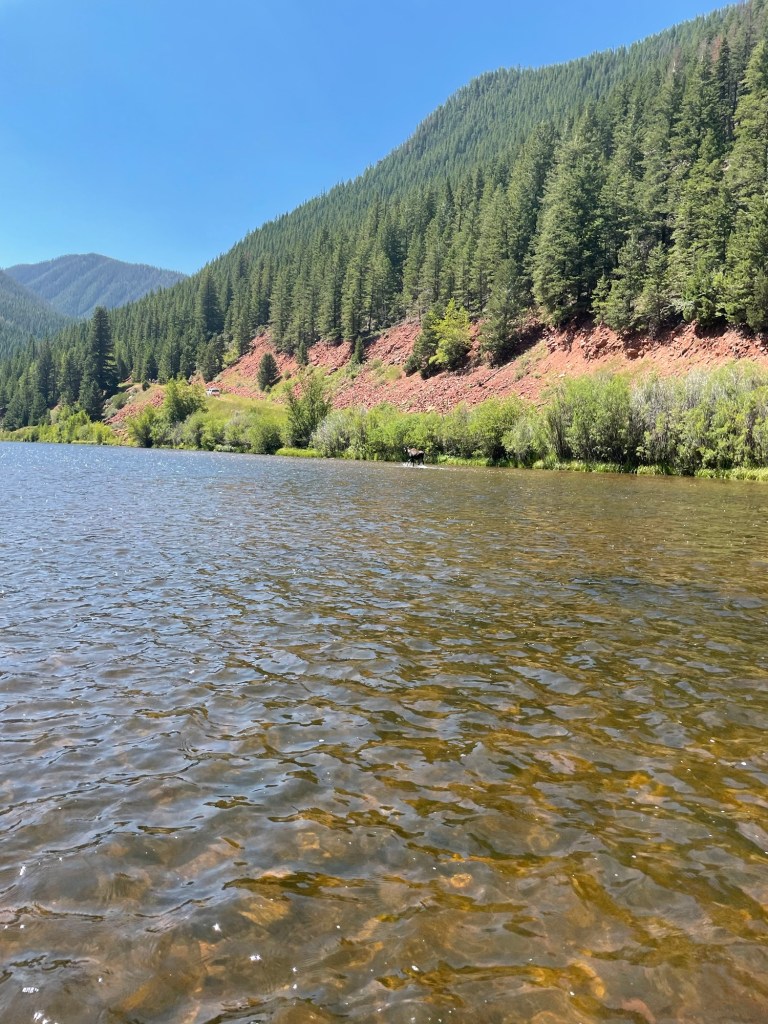
In the quiet moments on a brisk Colorado morning, ready to place my wading boot in the Frying Pan River, I often reflect on the profound legacy of fly fishing. This isn’t just a sport; it’s a timeless pursuit that connects us to nature, history, and a community of like-minded souls seeking solace and sustainability.
Ancient Origins: Threads from the Past

Fly fishing’s roots trace back to ancient civilizations. Roman author Claudius Aelianus, in the 2nd century, described Macedonian anglers using artificial flies to catch fish on the Astraeus River.  Meanwhile, in 12th-century Japan, the method of Tenkara emerged, where fishermen used long rods and simple flies to harvest trout and char in mountain streams.

These early techniques laid the groundwork for modern fly fishing, emphasizing skill, observation, and a deep connection to the aquatic environment.

Evolution of Technique and Technology

Over the centuries, fly fishing evolved significantly. The publication of “The Compleat Angler” by Izaak Walton in 1653 marked a pivotal moment, offering insights into the art and philosophy of angling. Advancements continued with the development of specialized rods, reels, and lines, enhancing the angler’s ability to present flies with precision.

Despite technological progress, the essence of fly fishing remains unchanged: a harmonious dance between angler and fish, guided by patience and respect.

Catch and Release: A Conservation Ethic

The practice of catch and release, now integral to fly fishing, has its origins in 19th-century Britain, aimed at preserving fish populations.  In North America, conservationist Lee Wulff championed this ethic, famously stating, “A gamefish is too valuable to be caught only once.”

Today, catch and release is more than a technique; it’s a commitment to sustaining healthy fisheries for future generations.

Seeking Solitude and Connection

Beyond the mechanics, fly fishing offers a sanctuary from the noise of modern life. Standing in a river, surrounded by nature’s chorus, one finds a meditative rhythm in casting and retrieving. It’s in these moments that anglers connect deeply with the environment, finding peace and clarity.

A Legacy of Stewardship

Fly fishing’s history is rich with individuals dedicated to conservation. In 1939, Roderick Haig-Brown penned the first code of fly-fishing ethics, emphasizing the angler’s role in protecting aquatic ecosystems.  Organizations like Fly Fishers International continue this legacy, promoting sustainable practices and environmental education.

Conclusion: Embracing the Timeless Journey

Fly fishing is more than a pastime; it’s a journey through history, nature, and personal growth. As we cast our lines, we join a lineage of anglers who value not just the catch, but the experience, the environment, and the enduring lessons the river imparts.

Until next time, may your casts be true and your reflections deep.

If you’re interested in exploring specific fly fishing techniques, gear recommendations, or conservation initiatives, feel free to ask!

Guide Glenn Smith
The Soundtrack of the Stream: Should You Fly Fish with Music?

Fly fishing is a rhythm. Cast, drift, mend, repeat. It’s the cadence of the river, the whisper of the line, the sudden, electric pull of a strike. But should it have a soundtrack?

Some anglers swear by the purity of silence—just you, the water, and the fish. Others like a little background music, maybe even headphones tucked under a cap, providing a personal playlist while they work a hatch. Is one approach better than the other? Let’s wade in.

The Advantages of Fishing with Music

1. It Sets the Mood

Music can shape the experience. A slow morning with mist rising off the water? Maybe some jazz, something with a little swing to match the rhythm of a dry fly landing just right. Chasing aggressive browns at dusk? Some bluesy rock or even a little outlaw country might fit the mood.

2. It Can Keep You Focused

If your mind tends to wander, music can be a good way to stay dialed in. A steady playlist might help you keep a patient rhythm while waiting for the right moment to strike.

3. It Drowns Out Distractions

Wind noise, distant highway hum, the occasional weekend warrior shouting about the one that got away—music can keep you in your zone and help block out anything that disrupts your flow.

4. It Adds Personal Enjoyment

Not every fishing trip is about hardcore technical casting. Sometimes, it’s about relaxing. If music helps you unwind while you stand knee-deep in cold water, why not?

The Disadvantages of Fishing with Music

1. You Lose Some of the Natural Soundscape

One of the greatest parts of fly fishing is the soundtrack nature provides: the murmur of the current, the slap of a tail, the sudden, sharp rise of a trout breaking the surface. Music can drown out these subtle cues and make you feel less connected to your surroundings.

2. Safety Concerns

Headphones can block out important sounds—like a fast-moving drift boat, a startled bear crashing through the brush, or a buddy calling out a warning. Even just background music on a speaker can dull your awareness of what’s happening around you.

3. It Might Affect Your Fishing Instincts

Fly fishing isn’t just about seeing the fish; it’s about feeling them. Sometimes, you hear the rise before you see it. If you’re locked into a song, you might miss that soft plop that tells you where to cast next.

4. It Can Distract from the Experience

Some anglers fish to disconnect. Adding music—especially if it’s coming from a phone—might keep you tethered to the world you’re trying to escape. Notifications, texts, even the temptation to check the time can pull you out of the moment.

The Verdict? It’s Personal.

There’s no right or wrong answer here. Some days, a little background music enhances the experience. Other days, the river itself provides all the sound you need. If you go for headphones, maybe keep one ear open. If you play music out loud, keep the volume low and be mindful of others who might prefer the quiet.

Because at the end of the day, the river has its own music. Sometimes, it’s worth listening to.

Local Fly Shops: Your Guide to Quality Fly Fishing Equipment

When it comes to investing in  and committing to fly fishing gear, the options can feel overwhelming. From rods and reels to lines and leaders, the choices are vast, and making the right decisions can be daunting. That’s why relying on reputable fly shops, professional guides, and trusted industry leaders is essential for selecting gear that will last and suit your long-term needs.

Expertise Matters

Local fly shops and seasoned guides offer more than just a point-of-sale. These professionals bring years of experience and knowledge, and they understand that the right gear is critical for both performance and enjoyment on the water. Their recommendations are based on factors like local water conditions, target species, and your specific skill level, ensuring you get gear that will work for you—not just for today, but for years down the road.

Getting You Geared Up

A reputable fly shop doesn’t just push the most expensive rod or reel; they tailor their advice to match your needs and goals. Whether you’re a beginner looking for durable, versatile gear or a seasoned angler ready to upgrade, these experts help you find the right balance between quality and cost. Professional guides can also offer insights from the water, sharing what gear holds up in real-world fishing conditions.

Tried-and-True Brands 

Leaders in the fly fishing industry—those brands and manufacturers with long-standing reputations for excellence—should be your go-to for high-quality gear. Trusted names like Orvis, Sage, and Simms have spent decades refining their products. Fly shops often carry these top-tier brands, knowing they stand the test of time in durability, performance, and innovation. There are also boutique brands that are fantastic but come at a premium, are they worth it? Yes they can be, it’s up to you and you budget. Think of it this way,  A Timex and a Rolex are both watches but….

Think of it as Long-Term Investment

Fly fishing is a sport where investing in quality gear pays off in the long run. Reputable fly shops and guides emphasize this point, recommending equipment that won’t need replacing after a season or two. Rods, reels, and lines crafted from premium materials will last, saving you from constantly upgrading and allowing you to focus on what matters: enjoying your time on the water.

Customization and Fine-Tuning

Another advantage of working with experts is the ability to fine-tune your setup. Guides and shop staff can help you choose the right line weight, reel size, and leader length to ensure your gear performs optimally for the type of fishing you plan to do. This attention to detail is something big-box stores or online retailers can’t match, as they often lack the specialized knowledge needed to provide custom advice.

Supporting the Local Fly Fishing Community

When you purchase gear from a local fly shop, you’re not just outfitting yourself; you’re supporting the fly fishing community. These shops often serve as the heart of local fishing scenes, offering educational resources, conservation efforts, and a place for anglers to connect and share experiences. By supporting them, you’re investing in the longevity of the sport itself. Plus, how would a shop in Houston EXACTLY know what hatch is happening in Bozeman?

Is That it?

Fly fishing is a gear-intensive activity, kind of, but by relying on the knowledge and experience of reputable fly shops, professional guides, and industry leaders, you can make informed decisions that will serve you for the long term. These experts not only help you choose the best gear but ensure that your investments are built to last, allowing you to enjoy the sport for years to come. Once you’re set up you’re good to go; but like any interest, your always adding, changing, upgrading, fishing for different species, start fishing elsewhere, or what I like to say, “buying jewelry” because you want to…Trust me 

The Legend: An unlikely true story about personal change and a fresh pair of eyes

The Legend had been guiding on the Frying Pan River for over thirty years, though few people knew his real name. Everyone just called him “The Legend.” His reputation stretched across the Rockies like the river itself—strong, steady, and impossible to rival. He knew the Frying Pan as if it were an extension of himself, every eddy, every riffle imprinted in his mind like a map. Anglers traveled from all over, hoping to catch even a fraction of the trout he seemed to entice on any given day.

That morning, as the light fog lifted from the river, The Legend sized up his new client. Derek was a typical novice—his gear mismatched, his waders still too clean, and his boots clumsy against the rocks. The Legend had seen a hundred Dereks in his day, all eager to impress, all about to be schooled by the river’s subtle demands. So the day began.

They waded into the river, the cool water pressing against their legs, and The Legend led Derek to a deep pool, affectionately known as M1, a prime spot for trout. He figured he’d spend most of the morning untangling lines and showing Derek the proper way to cast. He had his usual speech prepared about committed backcasts and the art of reading the water. But before he could offer a single word of advice, Derek did something that made The Legend pause and mumble, “WTF”?

Instead of lifting his rod in the traditional way, Derek swung it low, almost as if he were side-arming the cast. His line unfurled in a sweeping arc just above the water, not cutting through the air, but gliding along the surface. The fly settled with such delicate precision that The Legend had to blink. The trout must’ve thought it was the real thing because, before The Legend could process what he was seeing, Derek hooked a fish.

“What was that?” The Legend asked, genuinely puzzled.

Derek shrugged. “Just seemed easier than what I usually see.”

The Legend shook his head, sure it was a fluke. But then Derek did it again. And again. Fish after fish. Each time, he made that strange, low-flicking cast, and each time the trout responded. It was like watching someone break every rule of fly fishing… and somehow perfecting the art in the process.

By mid-morning, The Legend was in awe. He prided himself on mastering every casting technique there was, but this—this was something new. Something that seemed impossible, and yet, the results were undeniable.

Finally, The Legend couldn’t resist. “Mind if I give it a try?”

Derek handed over his rod, and The Legend mimicked the cast as best he could, the movement feeling foreign in his hands. It took a few attempts, but eventually, he found the rhythm—the subtle, horizontal flick, the way the line danced just above the water. It was like discovering a secret he hadn’t known was there, hidden just below the surface all these years.

For the rest of the day, The Legend practiced the technique, refining it, testing it in different parts of the river. The fish responded with the same enthusiasm for his fly as they had for Derek’s. By the time the sun dipped low behind the mountains, The Legend knew he had witnessed something that would change fly-fishing forever.

They called it the “Frying Pan Never, Ever Do that Flick,” a name that stuck as more and more anglers noticed The Legend’s new method. He taught it to his clients, and word spread quickly. Soon, other guides were asking him about it, trying to understand what made it so effective. Within a year, it was being used on rivers across the country, revolutionizing the sport.

Though the “FPNEDTF” or the “Legendary Flick” for short was associated with The Legend, he never forgot where it had come from. Derek, the rank amateur for somewhere The Legend can’t recall, had introduced it without even knowing what he’d stumbled upon. In the end, The Legend’s mastery of the river had been challenged by something as simple as a fresh pair of eyes—and it was a lesson he carried with him for the rest of his days on the water.

Mastering the Drift: The Key to Successful Trout Fly Fishing

It is a morning like every morning during the end of summer, the beginning of fall. The air is brisk and the temperature is cool, almost cold, but a fine welcome. I meet my clients for the day, eager to get out there and catch a fish… but it is never that easy for the leisure, once a year angler to do. I say right from the get go, “Fly fishing for trout is not an easier way to catch a trout. It’s the most difficult way to catch a trout”.

Why do I say that? It is because those of you out there with years under your belt, know I am right. What we do is a process, not a shortcut. We have to look at everything. We first look at the weather, the outside temperature. Then we look if there is any cloud cover or not. Next we watch for birds, do we see them or not? If they are flying high or low, or on the water. Next, we look closely for the insect life on, in or above the water. We ask ourselves, what kind of hatch is it? Or if there is any hatch at all? All this takes place well before we even cast a line.

With all that said, what is the most important thing above and beyond the aforementioned you must master? Is it the choice of flies? Is it how well you can cast a dry? Roll cast a nymph? Is it recognizing a strike? Is it the drift? Is it how gentle or how hard you set the hook?

These are all valid questions. Every guide has their own opinions about which one is most important. But to me, there is only really one answer, it is always the drift.

Having a proper drift separates the pros from the rookies. I can attest to this. Even the wrong fly drifted properly will interest more fish. Better than the right fly, drifted terribly. This has proved to be true more often than not.

Is the cast and presentation important? Yes and no. A great cast is wasted if the drift is terrible. What is the point of throwing 50 feet of line across the current? It won’t work if you can’t get the fly to drift naturally.

When it comes to recognizing a strike, the drift still matters. A fast moving drift with tons of line in the water is near impossible to set the hook. If you’re “nymphing”, the strike indicator will never give you an honest read, a missed opportunity. If you’re throwing dries, a bad drift never will give your fly a natural, buggy look. You’ll miss another opportunity.

With all this said, how should you move ahead and always achieve a perfect drift? It is simple. Line management. keep these things in mind;

-High stick whenever you can. Alleviate a problem before it becomes a problem.

-Keep the line you’re casting within your comfort zone.

-Fish to the fish in-front of you. Your target isn’t always on the other side of the river.

-Drop the ego casting and get that fly in the water.

-Stop over mending. Do one or two quality big mends and stop messing around.

-Last of all, none of this applies if you’re ripping streamers.

Do me a solid. Please remember that the insects in the river move at the pace of the water they are in or on. Always copy nature.

Tight Lines

Glenn on the Fly