


take the time
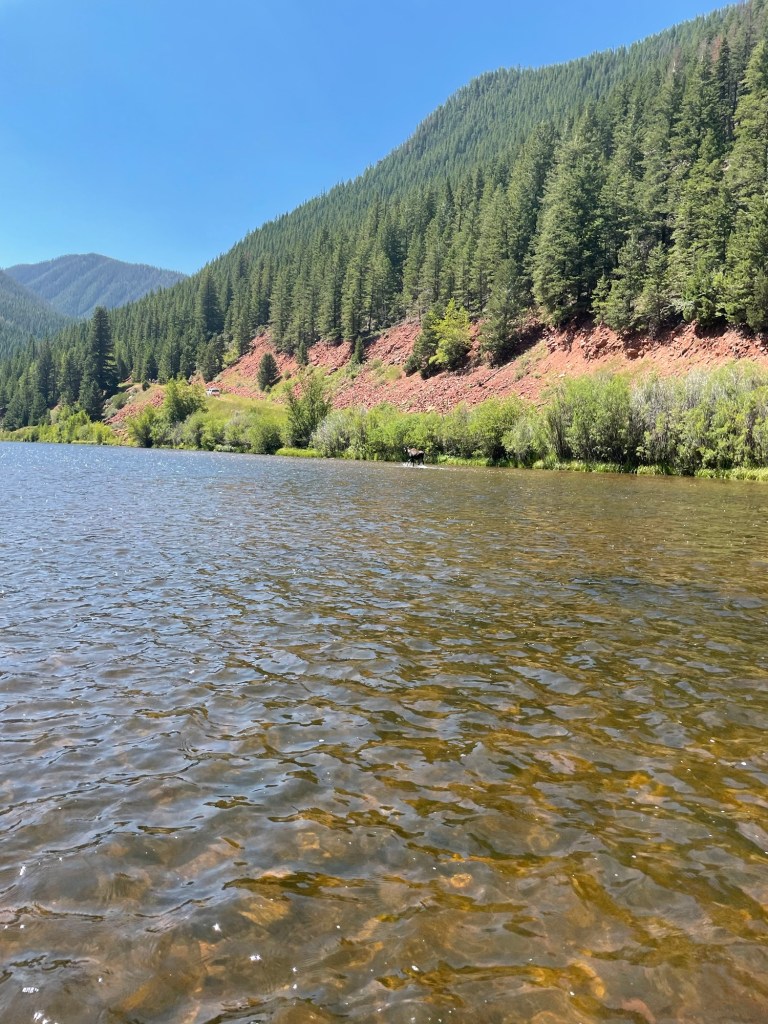
If you’ve ever stood knee-deep in a Colorado river, rod in hand, and thought, “What the hell are these trout eating?” — welcome to the eternal question. I’ve been guiding these waters for over three decades, and when I’m not tying on leaders or #22 midge patterns, I’m reaching down in the river flipping rocks like a mad scientist. The trout don’t give up their secrets easily, but the bugs will if you know how to ask.
As a guide, this isn’t just fly fishing, It’s entomology in waders. The best anglers I know read rivers the way a chef reads produce at the market — they can smell what’s fresh, what’s in season, and what’s about to come on strong.
Let’s walk the Colorado calendar, month by month, bug by bug.
🔍 First, a Quick River Trick
Forget Latin names for a moment. You don’t need a PhD to tell what’s going on — just curiosity.
- Turn over a rock in a riffle. If you see a little flat pancake bug with three tails, that’s a mayfly nymph. If you see a worm in a stick coffin, that’s a caddis.
- Dip a net. Shuffle your boots and let the current wash the bugs in. You’ll see the season’s truth in mesh.
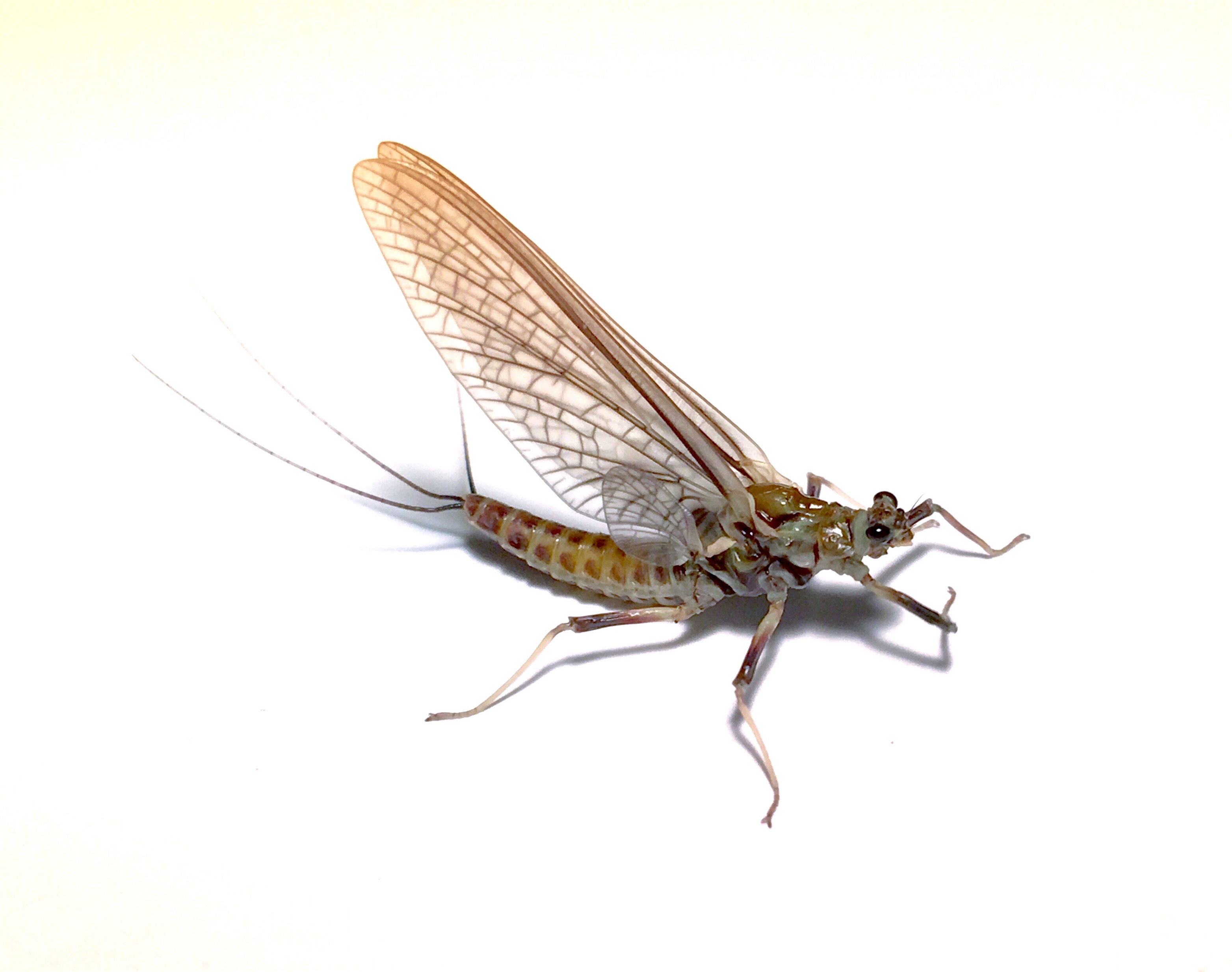
- Watch the wings. Mayflies hold them like tiny sailboats, caddis fold them like pup tents, stoneflies lay ‘em flat like a paperback novel.
It’s river code. Break it, and suddenly your fly box starts to look like a menu instead of a mystery.
🌦️ Colorado’s Bug Calendar
January – February
The rivers are cold, the trout are sluggish, but the midges never quit. Tiny black, olive, or red specks. If you’re not fishing flies smaller than your fingernail, you’re just decorating hooks.
March
Here come the first Baetis — Blue-Winged Olives. Cloudy afternoons, the river suddenly wakes up. Trout start rising like champagne bubbles. Tie on a size 20 parachute and you’re in business.
April
Stoneflies start creeping along the banks. Still some Baetis. This is the season of patience — trout are looking but not gorging yet. Small stones fished tight to structure can turn heads.
May
The famous Mother’s Day Caddis — thousands in the air, a snowstorm of wings. You’ll either have the best evening of your life or watch trout eat everything except what’s tied on your tippet.
June
Runoff. Chocolate milk flows. But don’t panic — bugs don’t stop because the river swells. Golden stones, a few drakes higher up. Fish edges, back eddies, and bigger, juicier patterns.
July
The big show: Green Drakes. Evening magic, trout boiling in shallow riffles. PMDs and Sallies mix in like side dishes. This is Colorado’s fireworks.
August
Tiny Tricos in the morning — clouds of black and white mayflies spinning like smoke. Midday turns to hoppers, beetles, and ants. Fish get picky, so you either go microscopic or foam-bodied.
September
Fall Baetis arrive, olives against gold cottonwoods. Low water, spooky trout. Long leaders, soft casts, and faith in flies you can barely see.
October
Blue-Winged Olives again, joined by the occasional pumpkin-sized October Caddis. If you’re tired of tying tiny dries, throw a size 12 orange Stimulator or Hopper and watch a brown trout rocket from the depths.
November – December
We’re back to midges, small, steady, reliable. Winter trout are honest — they won’t chase, but they’ll sip if you give them something believable.
🧾 Closing Thoughts from the River
Every river has a rhythm, and every bug has a season. Learn that, and you’ll stop guessing what to tie on — you’ll know.
I’ve guided long enough to see anglers frustrated, overthinking fly boxes, swapping patterns every five minutes. My advice? Slow down. Pick up a rock, kneel by the bank, let the bugs tell you the story. The trout are just following the script.
Also watch for birds. They can tell us so much about timing but I’ll save that for another time.
Remember, once you learn to read the river’s menu, you’ll never fish the same way again.






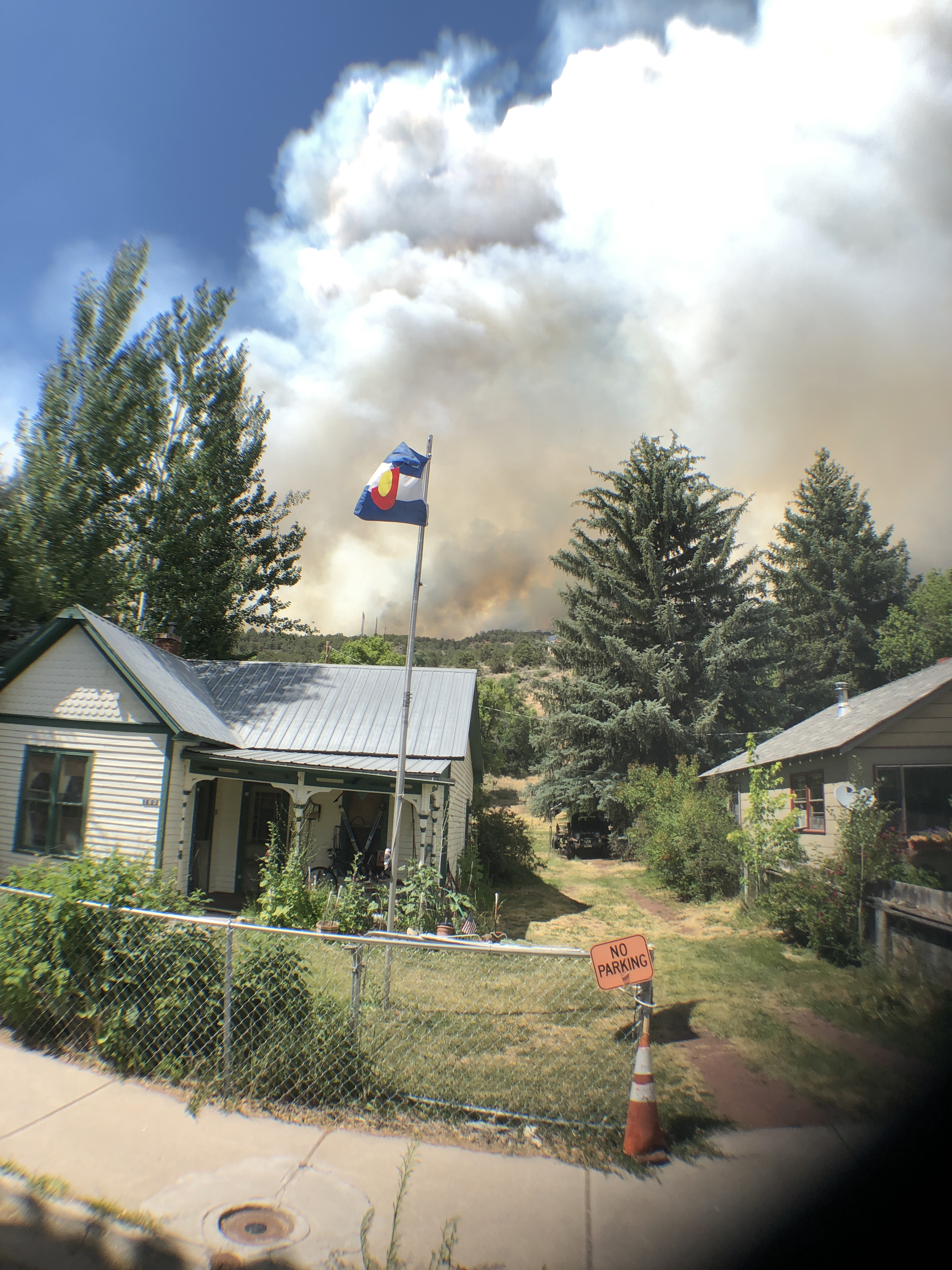
 Just reading the title of this article, I know what you’re thinking, nothing will happen to me, It’s Fly fishing! That may be true for most of us to a point, but trust me when i say, some of the wildest things happen in the most unusual situations.


 Glenn On The Fly