

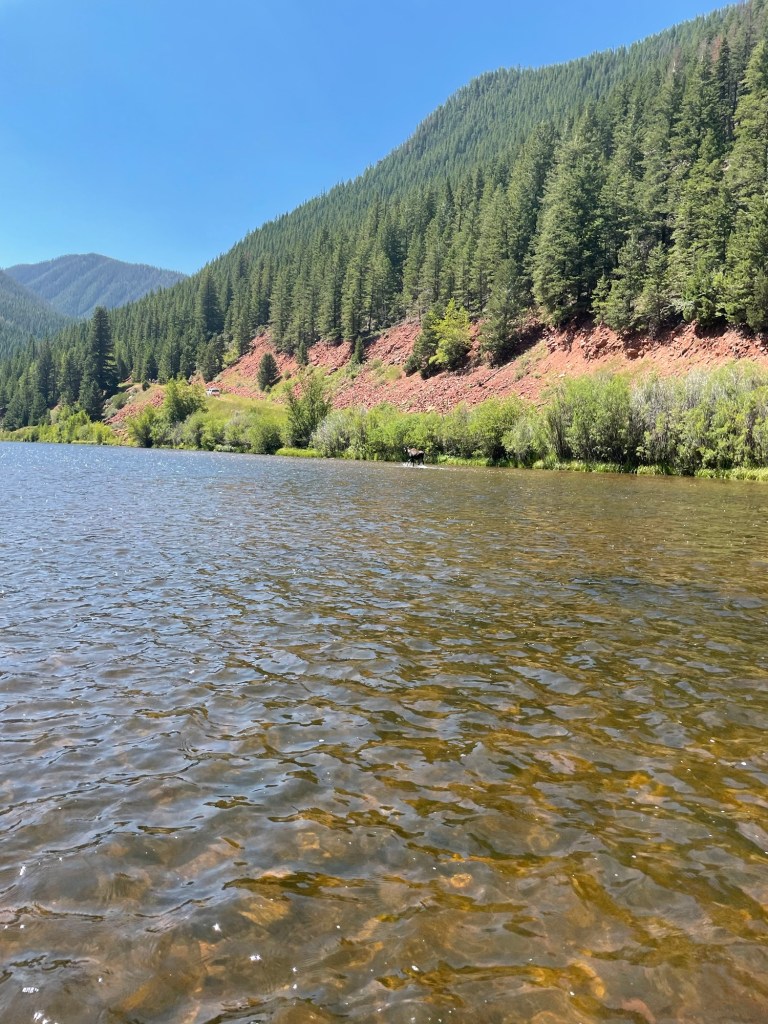
In the quiet moments on a brisk Colorado morning, ready to place my wading boot in the Frying Pan River, I often reflect on the profound legacy of fly fishing. This isn’t just a sport; it’s a timeless pursuit that connects us to nature, history, and a community of like-minded souls seeking solace and sustainability.
Ancient Origins: Threads from the Past
Fly fishing’s roots trace back to ancient civilizations. Roman author Claudius Aelianus, in the 2nd century, described Macedonian anglers using artificial flies to catch fish on the Astraeus River. Meanwhile, in 12th-century Japan, the method of Tenkara emerged, where fishermen used long rods and simple flies to harvest trout and char in mountain streams.
These early techniques laid the groundwork for modern fly fishing, emphasizing skill, observation, and a deep connection to the aquatic environment.
Evolution of Technique and Technology
Over the centuries, fly fishing evolved significantly. The publication of “The Compleat Angler” by Izaak Walton in 1653 marked a pivotal moment, offering insights into the art and philosophy of angling. Advancements continued with the development of specialized rods, reels, and lines, enhancing the angler’s ability to present flies with precision.
Despite technological progress, the essence of fly fishing remains unchanged: a harmonious dance between angler and fish, guided by patience and respect.
Catch and Release: A Conservation Ethic
The practice of catch and release, now integral to fly fishing, has its origins in 19th-century Britain, aimed at preserving fish populations. In North America, conservationist Lee Wulff championed this ethic, famously stating, “A gamefish is too valuable to be caught only once.”
Today, catch and release is more than a technique; it’s a commitment to sustaining healthy fisheries for future generations.
Seeking Solitude and Connection
Beyond the mechanics, fly fishing offers a sanctuary from the noise of modern life. Standing in a river, surrounded by nature’s chorus, one finds a meditative rhythm in casting and retrieving. It’s in these moments that anglers connect deeply with the environment, finding peace and clarity.
A Legacy of Stewardship
Fly fishing’s history is rich with individuals dedicated to conservation. In 1939, Roderick Haig-Brown penned the first code of fly-fishing ethics, emphasizing the angler’s role in protecting aquatic ecosystems. Organizations like Fly Fishers International continue this legacy, promoting sustainable practices and environmental education.
Conclusion: Embracing the Timeless Journey
Fly fishing is more than a pastime; it’s a journey through history, nature, and personal growth. As we cast our lines, we join a lineage of anglers who value not just the catch, but the experience, the environment, and the enduring lessons the river imparts.
Until next time, may your casts be true and your reflections deep.
⸻
If you’re interested in exploring specific fly fishing techniques, gear recommendations, or conservation initiatives, feel free to ask!
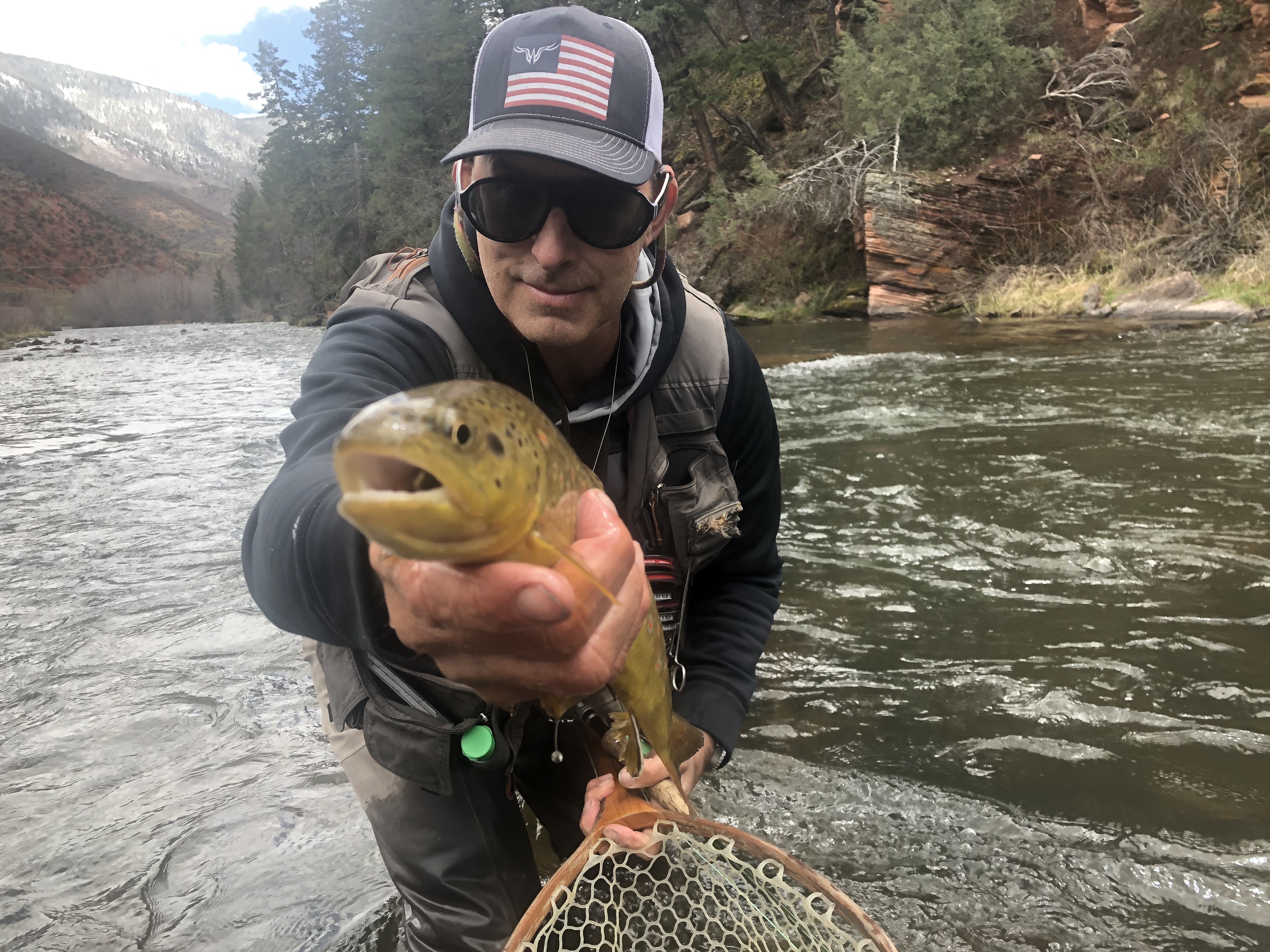
Guide Glenn Smith


 Glenn On The Fly