


As fly fishermen, we are intimately connected with nature in ways that few other activities offer. Standing knee-deep in a stream, casting delicate lines, and coaxing a trout from its hiding spot can feel like poetry in motion. However, with this connection to nature comes the responsibility of considering the impact our actions have on the fish, the ecosystem, and our own emotional and ethical well-being. One of the most debated topics in this arena is whether or not hooking trout causes harm—physically, emotionally, and environmentally—and how we should respond to this question as anglers.
Physical Pain: Do Fish Feel It?
The question of whether fish feel pain has been the subject of scientific study and ethical debate for years. Trout, like other fish, possess nociceptors, which are sensory receptors that detect potentially harmful stimuli. Some studies suggest that fish may experience pain in a way that is different from humans, while others argue that the pain is not as complex or conscious as ours. While they may react to injury, it’s unclear whether fish process pain in the emotional or suffering-driven way mammals do.
Regardless, as anglers, we should assume that our actions have the potential to cause physical stress to the fish. Whether trout experience pain as we know it, they do undergo stress when hooked and reeled in. Proper handling and release techniques are crucial to minimizing this harm.
Emotional Harm: The Human Perspective
For many anglers, fly fishing is about more than just catching fish. It’s an emotional and spiritual experience, a way to connect with nature, relieve stress, and be part of a longstanding tradition. But this emotional connection can also lead to a moral dilemma: Is it right to derive pleasure from an activity that might cause harm to another creature?
This internal conflict is common among conscientious anglers. Catch-and-release fishing often helps alleviate some of this tension, as it allows us to enjoy the sport without necessarily killing the fish. However, we should recognize that even catch-and-release fishing can cause stress to the fish, and handling them improperly could be fatal.
As stewards of the environment and participants in a natural cycle, we should foster a deep respect for the fish and the ecosystems in which they live. This attitude should guide not only how we fish but how we feel about our role as anglers.
Environmental Impact: The Bigger Picture
Beyond the individual fish, we must consider the broader environmental impact of fly fishing. While the act itself is relatively low-impact compared to other outdoor activities, certain factors can contribute to environmental degradation if not handled responsibly.
Overfishing, pollution from fishing gear, and habitat disruption can all harm aquatic ecosystems. Using barbless hooks, practicing catch-and-release, and adhering to local fishing regulations can help mitigate these effects. Additionally, being mindful of the surrounding environment—avoiding trampling delicate streamside vegetation or disturbing spawning grounds—ensures that fly fishing remains sustainable for future generations.
The Right Attitude: Responsibility and Respect
So, what attitude should we, as fly fishermen, take toward these issues?
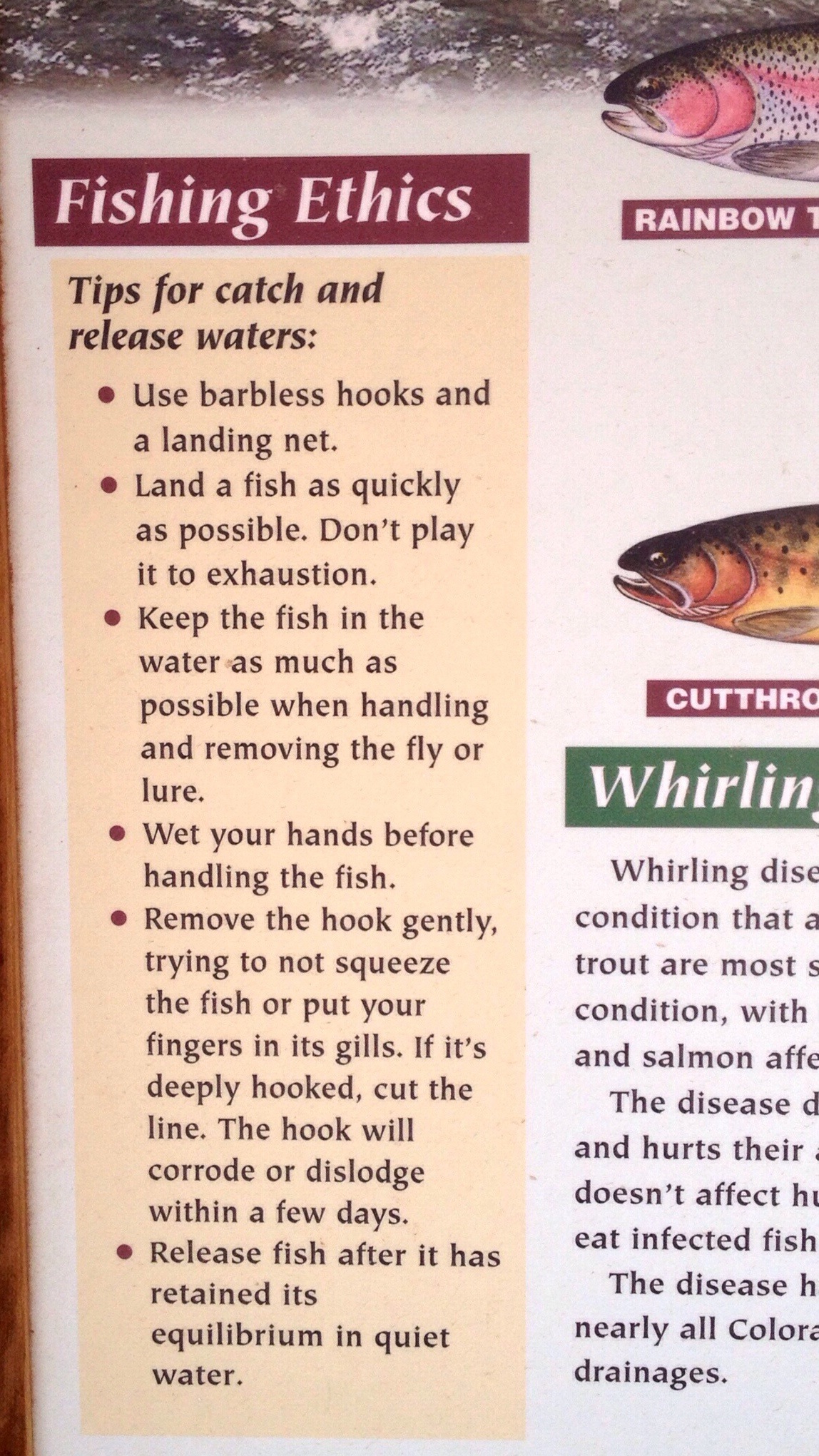
1. Respect for the Fish: Whether or not fish feel pain as we do, we should treat them with respect. Use proper techniques to minimize harm, such as barbless hooks, gentle handling, and quick release if you’re practicing catch-and-release.
2. Stewardship of the Environment: Fly fishing connects us to nature, and we must take on the role of stewards for the ecosystems we engage with. Be mindful of your impact on the environment, clean up after yourself, and follow local regulations to help protect aquatic habitats.
3. Emotional Awareness: Acknowledge any internal conflicts you may have about the sport. Fly fishing can be both a joy and a responsibility. Balancing the emotional and ethical sides of the activity can help you grow not only as an angler but also as a person.
4. Continuous Learning: Stay informed about the latest science on fish welfare, and continue to evolve your practices. As we learn more about fish biology and ecology, we can adopt better methods to minimize harm and maximize the enjoyment of the sport.
Last Cast
As fly fishermen, we are part of an ancient tradition that brings us closer to nature. However, this tradition comes with responsibilities. We must consider not only the physical impact on the fish but also the emotional and environmental consequences of our actions. By adopting a respectful, responsible, and reflective attitude toward the sport, we can ensure that fly fishing remains both an enjoyable and ethically sound activity for years to come.

 Glenn On The Fly