Mastering Fly Fishing In Colorado: A Seasonal Bug Guide


take the time

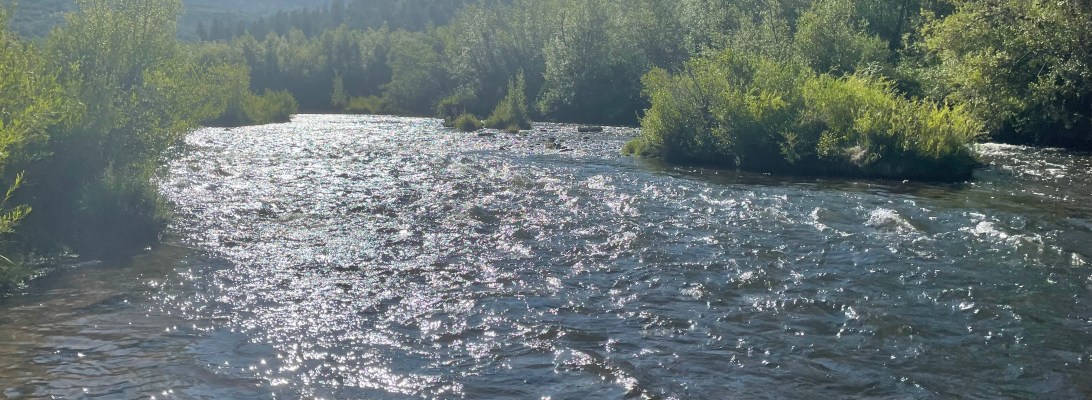
If you’ve ever stood knee-deep in a Colorado river, rod in hand, and thought, “What the hell are these trout eating?” — welcome to the eternal question. I’ve been guiding these waters for over three decades, and when I’m not tying on leaders or #22 midge patterns, I’m reaching down in the river flipping rocks like a mad scientist. The trout don’t give up their secrets easily, but the bugs will if you know how to ask.

As a guide, this isn’t just fly fishing, It’s entomology in waders. The best anglers I know read rivers the way a chef reads produce at the market — they can smell what’s fresh, what’s in season, and what’s about to come on strong.

Let’s walk the Colorado calendar, month by month, bug by bug.


🔍 First, a Quick River Trick

Forget Latin names for a moment. You don’t need a PhD to tell what’s going on — just curiosity.

  • Turn over a rock in a riffle. If you see a little flat pancake bug with three tails, that’s a mayfly nymph. If you see a worm in a stick coffin, that’s a caddis.
  • Dip a net. Shuffle your boots and let the current wash the bugs in. You’ll see the season’s truth in mesh.
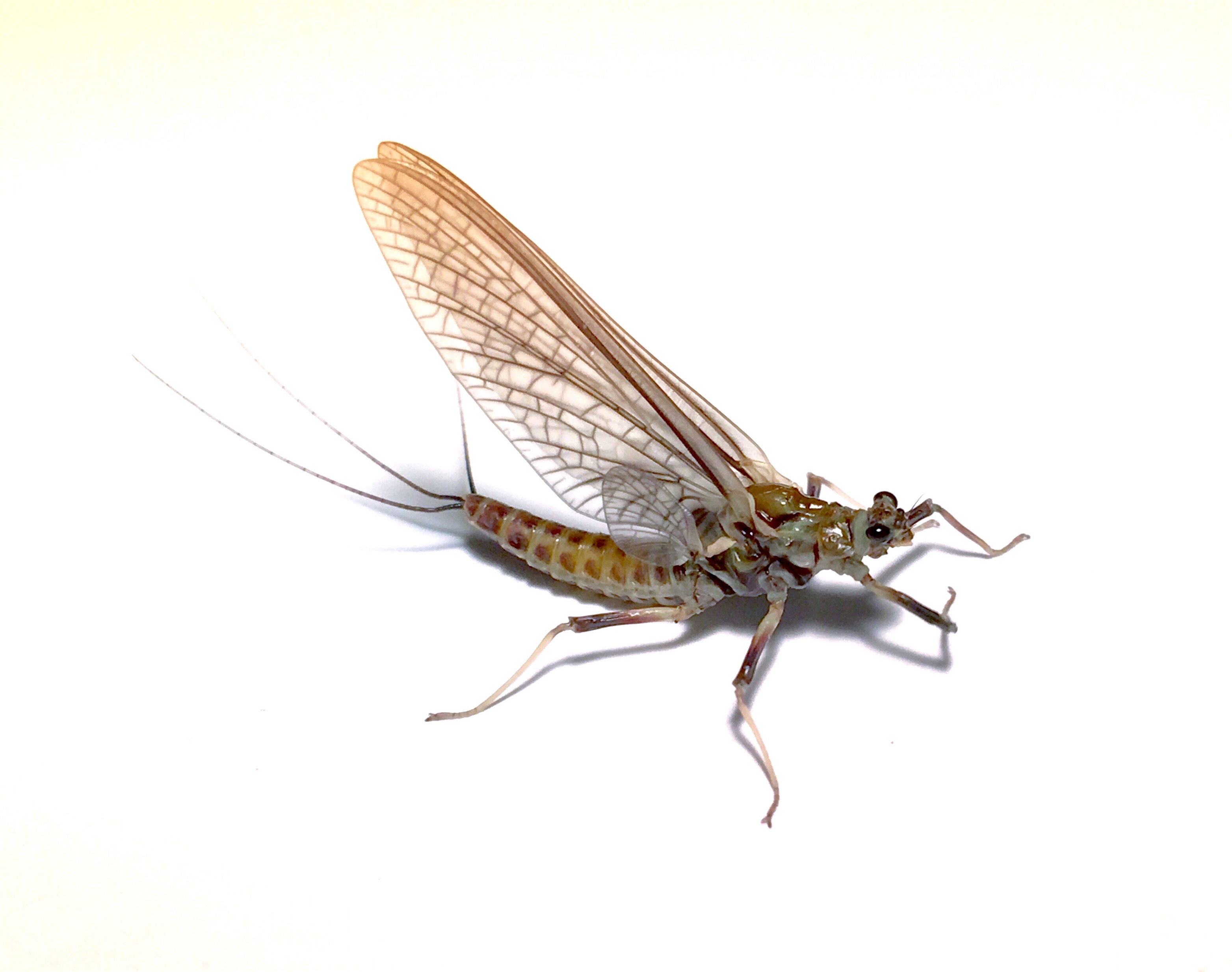
  • Watch the wings. Mayflies hold them like tiny sailboats, caddis fold them like pup tents, stoneflies lay ‘em flat like a paperback novel.

It’s river code. Break it, and suddenly your fly box starts to look like a menu instead of a mystery.


🌦️ Colorado’s Bug Calendar

January – February

The rivers are cold, the trout are sluggish, but the midges never quit. Tiny black, olive, or red specks. If you’re not fishing flies smaller than your fingernail, you’re just decorating hooks.

March

Here come the first Baetis — Blue-Winged Olives. Cloudy afternoons, the river suddenly wakes up. Trout start rising like champagne bubbles. Tie on a size 20 parachute and you’re in business.

April

Stoneflies start creeping along the banks. Still some Baetis. This is the season of patience — trout are looking but not gorging yet. Small stones fished tight to structure can turn heads.

May

The famous Mother’s Day Caddis — thousands in the air, a snowstorm of wings. You’ll either have the best evening of your life or watch trout eat everything except what’s tied on your tippet.

June

Runoff. Chocolate milk flows. But don’t panic — bugs don’t stop because the river swells. Golden stones, a few drakes higher up. Fish edges, back eddies, and bigger, juicier patterns.

July

The big show: Green Drakes. Evening magic, trout boiling in shallow riffles. PMDs and Sallies mix in like side dishes. This is Colorado’s fireworks.

August

Tiny Tricos in the morning — clouds of black and white mayflies spinning like smoke. Midday turns to hoppers, beetles, and ants. Fish get picky, so you either go microscopic or foam-bodied.

September

Fall Baetis arrive, olives against gold cottonwoods. Low water, spooky trout. Long leaders, soft casts, and faith in flies you can barely see.

October

Blue-Winged Olives again, joined by the occasional pumpkin-sized October Caddis. If you’re tired of tying tiny dries, throw a size 12 orange Stimulator or Hopper and watch a brown trout rocket from the depths.

November – December

We’re back to midges, small, steady, reliable. Winter trout are honest — they won’t chase, but they’ll sip if you give them something believable.


🧾 Closing Thoughts from the River

Every river has a rhythm, and every bug has a season. Learn that, and you’ll stop guessing what to tie on — you’ll know.

I’ve guided long enough to see anglers frustrated, overthinking fly boxes, swapping patterns every five minutes. My advice? Slow down. Pick up a rock, kneel by the bank, let the bugs tell you the story. The trout are just following the script.

Also watch for birds. They can tell us so much about timing but I’ll save that for another time.

Remember, once you learn to read the river’s menu, you’ll never fish the same way again.


Casting for the Future: Conservation, Habitat, and the Ethics of the Catch


Fly fishing, at its core, is a celebration of nature — a quiet, deliberate communion between angler, river, and fish. But as the sport grows in popularity, so too does the pressure on the very ecosystems that make it possible. For those who stand in cold water, reading riffles and stalking trout, conservation must become more than a cause — it must be a responsibility.

The River Gives — and Needs Our Help in Return

Healthy waterways are not accidental. They are the result of tireless work: habitat restoration, water quality monitoring, erosion control, and public education. When we neglect these systems — when roads cut off spawning beds, when cattle trample riverbanks, or when temperature spikes go unchecked — fisheries falter, and fish populations suffer.

Trout, for instance, are remarkably sensitive to water temperature and oxygen levels. Remove the riparian shade of willows and cottonwoods, and the water warms. Let sediment from development run unchecked, and the gravel beds needed for spawning clog and smother eggs. It’s a chain reaction that takes years to repair and only days to damage.

The Ethics of the Catch: Proper Fish Handling Matters

Catch-and-release, when done correctly, gives fish a fighting chance. But mishandling a fish — squeezing it, keeping it out of water too long, or fishing in water that’s too warm — can turn a release into a slow death sentence.

Here are five non-negotiables for ethical fish handling:

  1. Wet Your Hands before touching any fish to avoid removing its protective slime coat.
  2. Minimize Air Exposure — aim for no more than 10 seconds out of water.
  3. Use Barbless Hooks to reduce injury and handling time.
  4. Avoid Fishing Warm Waters (especially above 68°F/20°C), when trout are highly stressed.
  5. Don’t do “That Pose” for your pic — don’t “hero shot” it, it’s dumb.

Damage Done When We Don’t Act

Neglect isn’t always malicious — sometimes it’s ignorance. But the result is the same: fewer wild fish, degraded rivers, reduced access, and a loss of future generations who may never experience what fly fishing once was. Left unchecked, poor practices lead to fish kills, disease outbreaks, invasive species dominance, and irreversible habitat loss.

I witnessed the whirling disease outbreak first hand in my part of the world, not good.

Where You Can Make a Difference

Individually:

  • Pack out trash — yours and others’.
  • Take a moment and educate new anglers on proper handling and etiquette.
  • Join local river cleanups or streambank restoration days.

Nonprofits to Support:

For-Profit Organizations with Conservation Ethics:

  • Patagonia: Long-time advocate for wild rivers and public lands.
  • Fishpond USA: Uses recycled materials and partners with conservation groups.
  • Orvis: Offers grants and contributes heavily to watershed health projects.
  • Your local fly shop: Become involved in the community

Fly Fishing Is a Contract

It’s a contract with the river, with the fish, and with the future. Each cast is a chance not just to catch, but to care. If we want our beautiful wild places to remain wild — if we want to pass our passion down to others — we must be more than be anglers. We must be stewards.

And stewardship isn’t a sacrifice. It’s a privilege.


Casting Through Time: The Enduring Spirit of Fly Fishing

In the quiet moments on a brisk Colorado morning, ready to place my wading boot in the Frying Pan River, I often reflect on the profound legacy of fly fishing. This isn’t just a sport; it’s a timeless pursuit that connects us to nature, history, and a community of like-minded souls seeking solace and sustainability.

Ancient Origins: Threads from the Past

Fly fishing’s roots trace back to ancient civilizations. Roman author Claudius Aelianus, in the 2nd century, described Macedonian anglers using artificial flies to catch fish on the Astraeus River.  Meanwhile, in 12th-century Japan, the method of Tenkara emerged, where fishermen used long rods and simple flies to harvest trout and char in mountain streams.

These early techniques laid the groundwork for modern fly fishing, emphasizing skill, observation, and a deep connection to the aquatic environment.

Evolution of Technique and Technology

Over the centuries, fly fishing evolved significantly. The publication of “The Compleat Angler” by Izaak Walton in 1653 marked a pivotal moment, offering insights into the art and philosophy of angling. Advancements continued with the development of specialized rods, reels, and lines, enhancing the angler’s ability to present flies with precision.

Despite technological progress, the essence of fly fishing remains unchanged: a harmonious dance between angler and fish, guided by patience and respect.

Catch and Release: A Conservation Ethic

The practice of catch and release, now integral to fly fishing, has its origins in 19th-century Britain, aimed at preserving fish populations.  In North America, conservationist Lee Wulff championed this ethic, famously stating, “A gamefish is too valuable to be caught only once.”

Today, catch and release is more than a technique; it’s a commitment to sustaining healthy fisheries for future generations.

Seeking Solitude and Connection

Beyond the mechanics, fly fishing offers a sanctuary from the noise of modern life. Standing in a river, surrounded by nature’s chorus, one finds a meditative rhythm in casting and retrieving. It’s in these moments that anglers connect deeply with the environment, finding peace and clarity.

A Legacy of Stewardship

Fly fishing’s history is rich with individuals dedicated to conservation. In 1939, Roderick Haig-Brown penned the first code of fly-fishing ethics, emphasizing the angler’s role in protecting aquatic ecosystems.  Organizations like Fly Fishers International continue this legacy, promoting sustainable practices and environmental education.

Conclusion: Embracing the Timeless Journey

Fly fishing is more than a pastime; it’s a journey through history, nature, and personal growth. As we cast our lines, we join a lineage of anglers who value not just the catch, but the experience, the environment, and the enduring lessons the river imparts.

Until next time, may your casts be true and your reflections deep.

If you’re interested in exploring specific fly fishing techniques, gear recommendations, or conservation initiatives, feel free to ask!

Guide Glenn Smith

The Soundtrack of the Stream: Should You Fly Fish with Music?

Fly fishing is a rhythm. Cast, drift, mend, repeat. It’s the cadence of the river, the whisper of the line, the sudden, electric pull of a strike. But should it have a soundtrack?

Some anglers swear by the purity of silence—just you, the water, and the fish. Others like a little background music, maybe even headphones tucked under a cap, providing a personal playlist while they work a hatch. Is one approach better than the other? Let’s wade in.

The Advantages of Fishing with Music

1. It Sets the Mood

Music can shape the experience. A slow morning with mist rising off the water? Maybe some jazz, something with a little swing to match the rhythm of a dry fly landing just right. Chasing aggressive browns at dusk? Some bluesy rock or even a little outlaw country might fit the mood.

2. It Can Keep You Focused

If your mind tends to wander, music can be a good way to stay dialed in. A steady playlist might help you keep a patient rhythm while waiting for the right moment to strike.

3. It Drowns Out Distractions

Wind noise, distant highway hum, the occasional weekend warrior shouting about the one that got away—music can keep you in your zone and help block out anything that disrupts your flow.

4. It Adds Personal Enjoyment

Not every fishing trip is about hardcore technical casting. Sometimes, it’s about relaxing. If music helps you unwind while you stand knee-deep in cold water, why not?

The Disadvantages of Fishing with Music

1. You Lose Some of the Natural Soundscape

One of the greatest parts of fly fishing is the soundtrack nature provides: the murmur of the current, the slap of a tail, the sudden, sharp rise of a trout breaking the surface. Music can drown out these subtle cues and make you feel less connected to your surroundings.

2. Safety Concerns

Headphones can block out important sounds—like a fast-moving drift boat, a startled bear crashing through the brush, or a buddy calling out a warning. Even just background music on a speaker can dull your awareness of what’s happening around you.

3. It Might Affect Your Fishing Instincts

Fly fishing isn’t just about seeing the fish; it’s about feeling them. Sometimes, you hear the rise before you see it. If you’re locked into a song, you might miss that soft plop that tells you where to cast next.

4. It Can Distract from the Experience

Some anglers fish to disconnect. Adding music—especially if it’s coming from a phone—might keep you tethered to the world you’re trying to escape. Notifications, texts, even the temptation to check the time can pull you out of the moment.

The Verdict? It’s Personal.

There’s no right or wrong answer here. Some days, a little background music enhances the experience. Other days, the river itself provides all the sound you need. If you go for headphones, maybe keep one ear open. If you play music out loud, keep the volume low and be mindful of others who might prefer the quiet.

Because at the end of the day, the river has its own music. Sometimes, it’s worth listening to.

Local Fly Shops: Your Guide to Quality Fly Fishing Equipment

When it comes to investing in  and committing to fly fishing gear, the options can feel overwhelming. From rods and reels to lines and leaders, the choices are vast, and making the right decisions can be daunting. That’s why relying on reputable fly shops, professional guides, and trusted industry leaders is essential for selecting gear that will last and suit your long-term needs.

Expertise Matters

Local fly shops and seasoned guides offer more than just a point-of-sale. These professionals bring years of experience and knowledge, and they understand that the right gear is critical for both performance and enjoyment on the water. Their recommendations are based on factors like local water conditions, target species, and your specific skill level, ensuring you get gear that will work for you—not just for today, but for years down the road.

Getting You Geared Up

A reputable fly shop doesn’t just push the most expensive rod or reel; they tailor their advice to match your needs and goals. Whether you’re a beginner looking for durable, versatile gear or a seasoned angler ready to upgrade, these experts help you find the right balance between quality and cost. Professional guides can also offer insights from the water, sharing what gear holds up in real-world fishing conditions.

Tried-and-True Brands 

Leaders in the fly fishing industry—those brands and manufacturers with long-standing reputations for excellence—should be your go-to for high-quality gear. Trusted names like Orvis, Sage, and Simms have spent decades refining their products. Fly shops often carry these top-tier brands, knowing they stand the test of time in durability, performance, and innovation. There are also boutique brands that are fantastic but come at a premium, are they worth it? Yes they can be, it’s up to you and you budget. Think of it this way,  A Timex and a Rolex are both watches but….

Think of it as Long-Term Investment

Fly fishing is a sport where investing in quality gear pays off in the long run. Reputable fly shops and guides emphasize this point, recommending equipment that won’t need replacing after a season or two. Rods, reels, and lines crafted from premium materials will last, saving you from constantly upgrading and allowing you to focus on what matters: enjoying your time on the water.

Customization and Fine-Tuning

Another advantage of working with experts is the ability to fine-tune your setup. Guides and shop staff can help you choose the right line weight, reel size, and leader length to ensure your gear performs optimally for the type of fishing you plan to do. This attention to detail is something big-box stores or online retailers can’t match, as they often lack the specialized knowledge needed to provide custom advice.

Supporting the Local Fly Fishing Community

When you purchase gear from a local fly shop, you’re not just outfitting yourself; you’re supporting the fly fishing community. These shops often serve as the heart of local fishing scenes, offering educational resources, conservation efforts, and a place for anglers to connect and share experiences. By supporting them, you’re investing in the longevity of the sport itself. Plus, how would a shop in Houston EXACTLY know what hatch is happening in Bozeman?

Is That it?

Fly fishing is a gear-intensive activity, kind of, but by relying on the knowledge and experience of reputable fly shops, professional guides, and industry leaders, you can make informed decisions that will serve you for the long term. These experts not only help you choose the best gear but ensure that your investments are built to last, allowing you to enjoy the sport for years to come. Once you’re set up you’re good to go; but like any interest, your always adding, changing, upgrading, fishing for different species, start fishing elsewhere, or what I like to say, “buying jewelry” because you want to…Trust me 

The Legend: An unlikely true story about personal change and a fresh pair of eyes

The Legend had been guiding on the Frying Pan River for over thirty years, though few people knew his real name. Everyone just called him “The Legend.” His reputation stretched across the Rockies like the river itself—strong, steady, and impossible to rival. He knew the Frying Pan as if it were an extension of himself, every eddy, every riffle imprinted in his mind like a map. Anglers traveled from all over, hoping to catch even a fraction of the trout he seemed to entice on any given day.

That morning, as the light fog lifted from the river, The Legend sized up his new client. Derek was a typical novice—his gear mismatched, his waders still too clean, and his boots clumsy against the rocks. The Legend had seen a hundred Dereks in his day, all eager to impress, all about to be schooled by the river’s subtle demands. So the day began.

They waded into the river, the cool water pressing against their legs, and The Legend led Derek to a deep pool, affectionately known as M1, a prime spot for trout. He figured he’d spend most of the morning untangling lines and showing Derek the proper way to cast. He had his usual speech prepared about committed backcasts and the art of reading the water. But before he could offer a single word of advice, Derek did something that made The Legend pause and mumble, “WTF”?

Instead of lifting his rod in the traditional way, Derek swung it low, almost as if he were side-arming the cast. His line unfurled in a sweeping arc just above the water, not cutting through the air, but gliding along the surface. The fly settled with such delicate precision that The Legend had to blink. The trout must’ve thought it was the real thing because, before The Legend could process what he was seeing, Derek hooked a fish.

“What was that?” The Legend asked, genuinely puzzled.

Derek shrugged. “Just seemed easier than what I usually see.”

The Legend shook his head, sure it was a fluke. But then Derek did it again. And again. Fish after fish. Each time, he made that strange, low-flicking cast, and each time the trout responded. It was like watching someone break every rule of fly fishing… and somehow perfecting the art in the process.

By mid-morning, The Legend was in awe. He prided himself on mastering every casting technique there was, but this—this was something new. Something that seemed impossible, and yet, the results were undeniable.

Finally, The Legend couldn’t resist. “Mind if I give it a try?”

Derek handed over his rod, and The Legend mimicked the cast as best he could, the movement feeling foreign in his hands. It took a few attempts, but eventually, he found the rhythm—the subtle, horizontal flick, the way the line danced just above the water. It was like discovering a secret he hadn’t known was there, hidden just below the surface all these years.

For the rest of the day, The Legend practiced the technique, refining it, testing it in different parts of the river. The fish responded with the same enthusiasm for his fly as they had for Derek’s. By the time the sun dipped low behind the mountains, The Legend knew he had witnessed something that would change fly-fishing forever.

They called it the “Frying Pan Never, Ever Do that Flick,” a name that stuck as more and more anglers noticed The Legend’s new method. He taught it to his clients, and word spread quickly. Soon, other guides were asking him about it, trying to understand what made it so effective. Within a year, it was being used on rivers across the country, revolutionizing the sport.

Though the “FPNEDTF” or the “Legendary Flick” for short was associated with The Legend, he never forgot where it had come from. Derek, the rank amateur for somewhere The Legend can’t recall, had introduced it without even knowing what he’d stumbled upon. In the end, The Legend’s mastery of the river had been challenged by something as simple as a fresh pair of eyes—and it was a lesson he carried with him for the rest of his days on the water.

The Ethics of Fly Fishing: Pain, Emotion, and Responsibility

As fly fishermen, we are intimately connected with nature in ways that few other activities offer. Standing knee-deep in a stream, casting delicate lines, and coaxing a trout from its hiding spot can feel like poetry in motion. However, with this connection to nature comes the responsibility of considering the impact our actions have on the fish, the ecosystem, and our own emotional and ethical well-being. One of the most debated topics in this arena is whether or not hooking trout causes harm—physically, emotionally, and environmentally—and how we should respond to this question as anglers.

Physical Pain: Do Fish Feel It?

The question of whether fish feel pain has been the subject of scientific study and ethical debate for years. Trout, like other fish, possess nociceptors, which are sensory receptors that detect potentially harmful stimuli. Some studies suggest that fish may experience pain in a way that is different from humans, while others argue that the pain is not as complex or conscious as ours. While they may react to injury, it’s unclear whether fish process pain in the emotional or suffering-driven way mammals do.

Regardless, as anglers, we should assume that our actions have the potential to cause physical stress to the fish. Whether trout experience pain as we know it, they do undergo stress when hooked and reeled in. Proper handling and release techniques are crucial to minimizing this harm.

Emotional Harm: The Human Perspective

For many anglers, fly fishing is about more than just catching fish. It’s an emotional and spiritual experience, a way to connect with nature, relieve stress, and be part of a longstanding tradition. But this emotional connection can also lead to a moral dilemma: Is it right to derive pleasure from an activity that might cause harm to another creature?

This internal conflict is common among conscientious anglers. Catch-and-release fishing often helps alleviate some of this tension, as it allows us to enjoy the sport without necessarily killing the fish. However, we should recognize that even catch-and-release fishing can cause stress to the fish, and handling them improperly could be fatal.

As stewards of the environment and participants in a natural cycle, we should foster a deep respect for the fish and the ecosystems in which they live. This attitude should guide not only how we fish but how we feel about our role as anglers.

Environmental Impact: The Bigger Picture

Beyond the individual fish, we must consider the broader environmental impact of fly fishing. While the act itself is relatively low-impact compared to other outdoor activities, certain factors can contribute to environmental degradation if not handled responsibly.

Overfishing, pollution from fishing gear, and habitat disruption can all harm aquatic ecosystems. Using barbless hooks, practicing catch-and-release, and adhering to local fishing regulations can help mitigate these effects. Additionally, being mindful of the surrounding environment—avoiding trampling delicate streamside vegetation or disturbing spawning grounds—ensures that fly fishing remains sustainable for future generations.

The Right Attitude: Responsibility and Respect

So, what attitude should we, as fly fishermen, take toward these issues?

1. Respect for the Fish: Whether or not fish feel pain as we do, we should treat them with respect. Use proper techniques to minimize harm, such as barbless hooks, gentle handling, and quick release if you’re practicing catch-and-release.

2. Stewardship of the Environment: Fly fishing connects us to nature, and we must take on the role of stewards for the ecosystems we engage with. Be mindful of your impact on the environment, clean up after yourself, and follow local regulations to help protect aquatic habitats.

3. Emotional Awareness: Acknowledge any internal conflicts you may have about the sport. Fly fishing can be both a joy and a responsibility. Balancing the emotional and ethical sides of the activity can help you grow not only as an angler but also as a person.

4. Continuous Learning: Stay informed about the latest science on fish welfare, and continue to evolve your practices. As we learn more about fish biology and ecology, we can adopt better methods to minimize harm and maximize the enjoyment of the sport.

Last Cast

As fly fishermen, we are part of an ancient tradition that brings us closer to nature. However, this tradition comes with responsibilities. We must consider not only the physical impact on the fish but also the emotional and environmental consequences of our actions. By adopting a respectful, responsible, and reflective attitude toward the sport, we can ensure that fly fishing remains both an enjoyable and ethically sound activity for years to come.

Mastering the Drift: The Key to Successful Trout Fly Fishing

It is a morning like every morning during the end of summer, the beginning of fall. The air is brisk and the temperature is cool, almost cold, but a fine welcome. I meet my clients for the day, eager to get out there and catch a fish… but it is never that easy for the leisure, once a year angler to do. I say right from the get go, “Fly fishing for trout is not an easier way to catch a trout. It’s the most difficult way to catch a trout”.

Why do I say that? It is because those of you out there with years under your belt, know I am right. What we do is a process, not a shortcut. We have to look at everything. We first look at the weather, the outside temperature. Then we look if there is any cloud cover or not. Next we watch for birds, do we see them or not? If they are flying high or low, or on the water. Next, we look closely for the insect life on, in or above the water. We ask ourselves, what kind of hatch is it? Or if there is any hatch at all? All this takes place well before we even cast a line.

With all that said, what is the most important thing above and beyond the aforementioned you must master? Is it the choice of flies? Is it how well you can cast a dry? Roll cast a nymph? Is it recognizing a strike? Is it the drift? Is it how gentle or how hard you set the hook?

These are all valid questions. Every guide has their own opinions about which one is most important. But to me, there is only really one answer, it is always the drift.

Having a proper drift separates the pros from the rookies. I can attest to this. Even the wrong fly drifted properly will interest more fish. Better than the right fly, drifted terribly. This has proved to be true more often than not.

Is the cast and presentation important? Yes and no. A great cast is wasted if the drift is terrible. What is the point of throwing 50 feet of line across the current? It won’t work if you can’t get the fly to drift naturally.

When it comes to recognizing a strike, the drift still matters. A fast moving drift with tons of line in the water is near impossible to set the hook. If you’re “nymphing”, the strike indicator will never give you an honest read, a missed opportunity. If you’re throwing dries, a bad drift never will give your fly a natural, buggy look. You’ll miss another opportunity.

With all this said, how should you move ahead and always achieve a perfect drift? It is simple. Line management. keep these things in mind;

-High stick whenever you can. Alleviate a problem before it becomes a problem.

-Keep the line you’re casting within your comfort zone.

-Fish to the fish in-front of you. Your target isn’t always on the other side of the river.

-Drop the ego casting and get that fly in the water.

-Stop over mending. Do one or two quality big mends and stop messing around.

-Last of all, none of this applies if you’re ripping streamers.

Do me a solid. Please remember that the insects in the river move at the pace of the water they are in or on. Always copy nature.

Tight Lines

Glenn on the Fly

The inherent personal IRRESPONSIBLY the river can cause

I know it has been a long while since I have posted a blog here on Glenn on the fly; I am terribly remiss and want to fully apologize to all of you about the obvious lack of fresh content. I take that back, I’m not really that mad about it. Fact is, I have been guiding every single day. It’s been awesome… the fish are eating, the fights have been memorable and I am in high demand (thankfully). I start bright and early and end my day late. I had every intention of sitting down with my MacBook, writing up something inspiring, insightful and hopefully moving…then I get sleepy, sometimes quench my thirst with a tall, very cold one, stream something stupid on Netflix, fall dead asleep by 9pm with my iPhone alarm set at 6:35 am, as it is everyday of the season, to get up and guide all over again.

I love what I do, and not necessarily for the reasons you might think. It is absolutely fantastic to do what I do, especially for a living (and living this life). I constantly meet new people whom all have different fishing skill levels, be it fly fishing or whatever you all call that other kind of fishing… “the kind of fishing created by beer companies and the extruded plastics and barbed hook industry”, respectfully. But the truth be told, I LOVE what I do and what it adds to my life on a daily basis.

For the ease of reading and my predilection for lists, I will regale you with my reasons I feel lucky to do what I do;

  1. First and foremost, it is a beautiful activity to do. What we do takes place in breathtaking places, the motions are beyond poetic and the magnificent creatures we are trying to fool are simply gorgeous.
  2. The “Process” it takes to convince a fish to take feathers and thread as real is real, especially to trick the clever ones. It is not easy to master this sport, those who think it is easy are fantastically misled. A fellow guide summed that mindset up perfectly, “Everyone is a great guide or fisherman when the fish are eating, It takes much more skill to catch them when they’re not”.
  3. There is never ever a bad day on the water…mostly ups and very few downs. If your soul purpose is to “hammer” a ton of fish, you are completely missing the point of why you’re out there in the first place. (I suggest you look back to #1 of this list to refresh your memory)
  4. From a guide’s point of view, my point of view, the clients play an interesting part on this list. Some clients are of course, fantastic, some are far from that, truthfully. Those outliers should stick with pickleball, golf or reading and never touch a fly rod ever again. Simply, it would be inhumane to me and/or the fish we’re trying to catch if they intend to continue. People are very interesting and being out on the water, uncomfortably away from their cell phones, traffic, self importance and their world of comfort, their true colors come shining out. Be it fantastic colors ranging from of an amazing human of depth or the many shades of muddled black or grey of a dark soul. But one way or another their true character comes out for better or worse. I see it through him clear eyes, they become transparent like onion skin and it is just plain awesome.
  5. Joy. Joy on all fronts. Joy of seeing someone “click” and start getting it, doing everything correct, getting results. To me taking joy when they handle the rod with care, land the fish with care and taking joy in the simple fact they hooked a trout.
  6. Last of all on my list, that all involved become so focused on a small PMD dry, pulling a streamer or looking at strike indicator that we all forget about everything else that may be on our minds from the outside world.

This brings me to defend the title of this blog, Inherent Irresponsibility. Fly fishing allows this, welcomes this, almost endorses it in the most positive way. In a way to let the world go, stay completely present, become part of nature knowing you can’t change the flow of the river, nor when you get a strike and realizing that the fish doesn’t give a s**t on who or what you are.

I love this sport not just for what I stated above but for so many countless, intangible reasons. I will be much more diligent in posting on this blog for now on…possibly

Guide Glenn Smith