


Fly fishing, at its core, is a celebration of nature — a quiet, deliberate communion between angler, river, and fish. But as the sport grows in popularity, so too does the pressure on the very ecosystems that make it possible. For those who stand in cold water, reading riffles and stalking trout, conservation must become more than a cause — it must be a responsibility.
The River Gives — and Needs Our Help in Return
Healthy waterways are not accidental. They are the result of tireless work: habitat restoration, water quality monitoring, erosion control, and public education. When we neglect these systems — when roads cut off spawning beds, when cattle trample riverbanks, or when temperature spikes go unchecked — fisheries falter, and fish populations suffer.
Trout, for instance, are remarkably sensitive to water temperature and oxygen levels. Remove the riparian shade of willows and cottonwoods, and the water warms. Let sediment from development run unchecked, and the gravel beds needed for spawning clog and smother eggs. It’s a chain reaction that takes years to repair and only days to damage.
The Ethics of the Catch: Proper Fish Handling Matters
Catch-and-release, when done correctly, gives fish a fighting chance. But mishandling a fish — squeezing it, keeping it out of water too long, or fishing in water that’s too warm — can turn a release into a slow death sentence.
Here are five non-negotiables for ethical fish handling:
- Wet Your Hands before touching any fish to avoid removing its protective slime coat.
- Minimize Air Exposure — aim for no more than 10 seconds out of water.
- Use Barbless Hooks to reduce injury and handling time.
- Avoid Fishing Warm Waters (especially above 68°F/20°C), when trout are highly stressed.
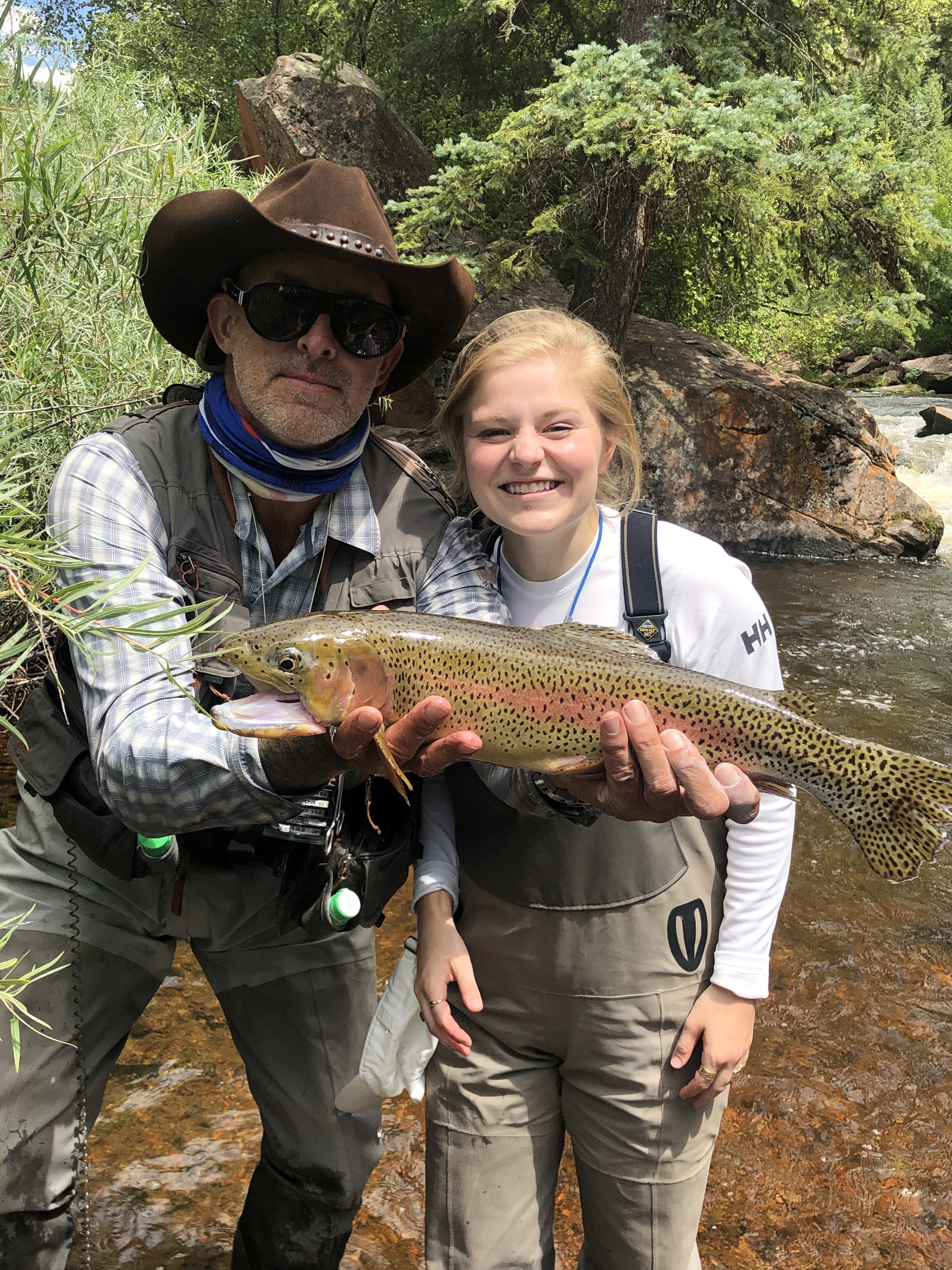
- Don’t do “That Pose” for your pic — don’t “hero shot” it, it’s dumb.
Damage Done When We Don’t Act
Neglect isn’t always malicious — sometimes it’s ignorance. But the result is the same: fewer wild fish, degraded rivers, reduced access, and a loss of future generations who may never experience what fly fishing once was. Left unchecked, poor practices lead to fish kills, disease outbreaks, invasive species dominance, and irreversible habitat loss.
I witnessed the whirling disease outbreak first hand in my part of the world, not good.
Where You Can Make a Difference
Individually:
- Pack out trash — yours and others’.
- Take a moment and educate new anglers on proper handling and etiquette.
- Join local river cleanups or streambank restoration days.
Nonprofits to Support:
- Trout Unlimited (https://www.tu.org): The gold standard in stream restoration, policy work, and grassroots advocacy.
- Bonefish & Tarpon Trust (https://www.bonefishtarpontrust.org): Critical habitat work for saltwater species.
- Wild Salmon Center (https://www.wildsalmoncenter.org): Protecting salmon ecosystems across the Pacific Rim.
For-Profit Organizations with Conservation Ethics:
- Patagonia: Long-time advocate for wild rivers and public lands.
- Fishpond USA: Uses recycled materials and partners with conservation groups.
- Orvis: Offers grants and contributes heavily to watershed health projects.
- Your local fly shop: Become involved in the community
Fly Fishing Is a Contract
It’s a contract with the river, with the fish, and with the future. Each cast is a chance not just to catch, but to care. If we want our beautiful wild places to remain wild — if we want to pass our passion down to others — we must be more than be anglers. We must be stewards.
And stewardship isn’t a sacrifice. It’s a privilege.


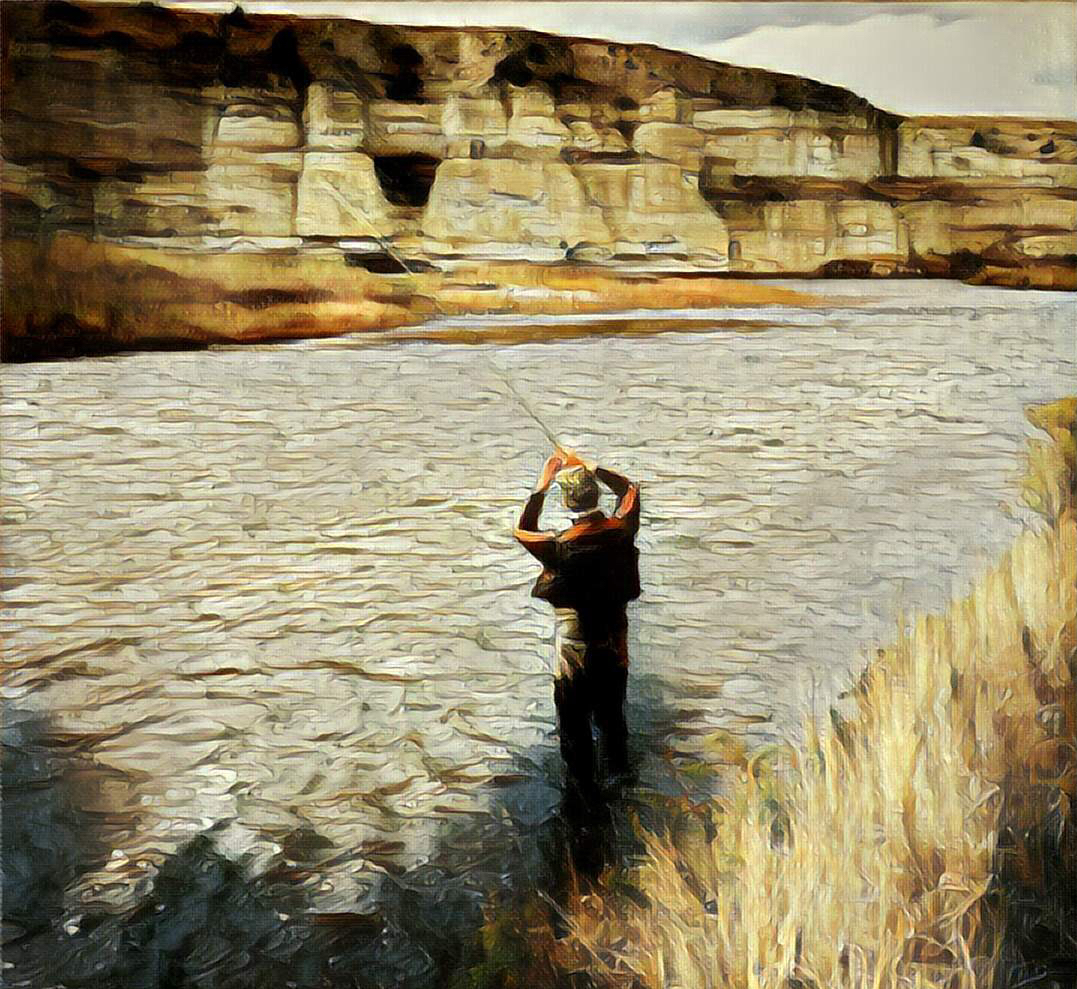 One other point of mindset is to remember why you started to fly fish in the first place. I can tell you mine;


 Glenn On The Fly